Let’s be honest, your water heater is probably the most ignored appliance in your home. It sits silently in a closet or basement, faithfully churning out hot water for your morning showers and dishwashing marathons. That is, until the day it doesn’t. And that day usually involves a shocking blast of icy water when you least expect it. So, What Is A Water Heater Tune Up and why is it the secret weapon to preventing that cold-shower nightmare?
Think of it this way: you wouldn’t drive your car for 50,000 miles without an oil change, right? A water heater tune up is the exact same concept. It’s a comprehensive preventative maintenance service designed to keep your unit running efficiently, safely, and for as long as possible. It’s not just a quick look-see; it’s a detailed health check for one of your home’s hardest-working heroes.
Why Bother with a Water Heater Tune Up, Anyway?
You might be thinking, “If it ain’t broke, don’t fix it.” I’ve heard that a thousand times from homeowners. But waiting for it to break is the most expensive way to maintain any appliance. A regular tune up is an investment that pays for itself.
Here’s why it’s a non-negotiable part of smart homeownership:
- Boosts Energy Efficiency: Over time, sediment (minerals like calcium and magnesium) builds up at the bottom of your tank. This layer of gunk forces your heater to work harder and longer to heat the water, sending your energy bills through the roof. A tune up clears this out, restoring its efficiency.
- Extends the Unit’s Lifespan: The average tank water heater lasts about 8-12 years. With annual maintenance, you can often push that to 15 years or more. A tune up addresses small issues before they become catastrophic failures that lead to premature replacement.
- Enhances Safety: Your water heater has critical safety components, like the Temperature and Pressure (T&P) Relief Valve. This valve is designed to release pressure if it gets dangerously high. If it fails, your tank can, in a worst-case scenario, turn into a literal bomb. A tune up ensures these safety features are working correctly.
- Improves Performance: Noticing lukewarm showers or that you’re running out of hot water faster than you used to? A tune up, which includes checking the thermostat and heating elements, can often restore your unit’s performance and give you that consistently hot water you crave.
What Happens During a Professional Water Heater Tune Up?
So, what does a technician actually do? While the exact checklist can vary slightly between tank and tankless models, a comprehensive service covers several key areas.
For Traditional Tank Water Heaters
These are the most common type of water heaters, and their tune up is focused on combating sediment and corrosion.
- Draining and Flushing the Tank: This is the big one. The technician will drain some or all of the water from the tank to flush out all that accumulated mineral sediment. This is the single most effective step for restoring efficiency and preventing overheating.
- Inspecting the Anode Rod: This is your tank’s unsung hero. The anode rod is a metal rod (usually magnesium or aluminum) that sacrificially corrodes to protect the steel lining of your tank from rusting out. The technician will check it for decay. If it’s nearly gone, replacing it can add years to your heater’s life for a fraction of the cost of a new unit.
- Testing the T&P Relief Valve: The technician will test this critical safety valve to ensure it opens and closes properly, preventing dangerous pressure buildup inside the tank.
- Checking the Thermostat: They’ll ensure the thermostat is set correctly (120°F or 49°C is the recommended safe and efficient temperature) and is reading the water temperature accurately.
- Inspecting for Leaks and Corrosion: A thorough visual inspection of the tank, pipes, and fittings is performed to catch any early signs of leaks or rust.
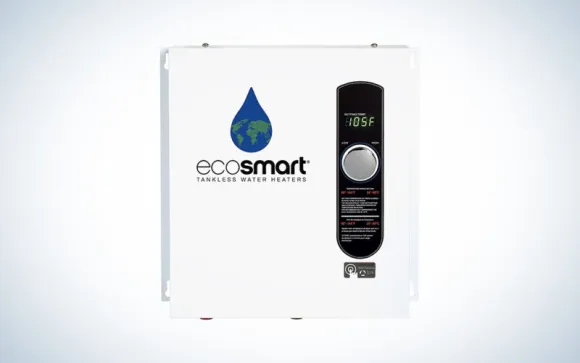
For Tankless (On-Demand) Water Heaters
Tankless models don’t store water, so they don’t have sediment buildup issues in the same way. However, they have their own unique maintenance needs.
- Flushing and Descaling the System: Hard water minerals can still build up on the delicate components of the heat exchanger, restricting water flow and reducing efficiency. A technician will flush the unit with a special descaling solution to dissolve these mineral deposits.
- Cleaning the Air and Water Filters: Both the incoming air and water lines have filters that can get clogged with dust and debris. Cleaning these is essential for proper operation and water flow.
- Inspecting the Ignition and Burner Assembly: The technician will check the burner to ensure it’s igniting properly and burning cleanly for maximum heating performance.
As a seasoned professional, I can’t stress the anode rod inspection enough. I’ve seen perfectly good five-year-old tanks fail simply because the owner never knew this $50 part needed checking. It’s like the tank’s internal bodyguard, and when it’s gone, the tank is defenseless against rust.
– John Miller, Master Plumber, 20+ Years of Experience
Can I Do a Water Heater Tune Up Myself?
That’s the million-dollar question, isn’t it? The answer is: partially. A handy homeowner can certainly perform some basic maintenance tasks, but a full tune up is best left to a pro.
DIY-Friendly Tasks:
- Temperature Check: You can easily check and adjust your thermostat.
- Visual Inspection: Regularly look around the unit for any signs of dripping water or rust spots.
- Testing the T&P Valve (Use Caution!): You can test this yourself, but be sure to follow the manufacturer’s instructions carefully. It can release scalding hot water.
When to Call a Professional:
- Flushing the Tank: While possible for a DIYer, it can be a messy and tricky process. If done incorrectly, you can introduce air into your plumbing lines or have trouble restarting the unit.
- Inspecting or Replacing the Anode Rod: This often requires a special socket and a lot of torque to remove. It’s a job for someone with the right tools and experience.
- Anything Involving Gas Lines or Electrical Wiring: For gas heaters, working on the burner or gas supply is extremely dangerous. For electric models, dealing with high-voltage heating elements requires an expert. Never attempt this yourself.
How Often Do I Need This Service?
The simple answer is annually. An annual what is a water heater tune up checkup is the gold standard for keeping your system in peak condition.
However, you might consider it more often if:
- You have very hard water: Hard water means more mineral sediment, which means more frequent flushing is needed to maintain efficiency.
- You have a large family: Higher hot water usage puts more strain on the unit, making an annual checkup even more critical.
Signs Your Water Heater is Crying Out for a Tune Up
Your water heater will often give you warning signs before it fails completely. If you notice any of these, it’s time to schedule a service call immediately.
- Rumbling or Popping Noises: This is the sound of water trapped under that layer of sediment being boiled. It’s a clear sign your tank needs to be flushed.
- Water Isn’t Hot Enough (or Too Hot): This could be a faulty thermostat or a heating element covered in scale.
- Running Out of Hot Water Quickly: Sediment buildup reduces the actual volume of water your tank can heat, leaving you with shorter showers.
- Cloudy or Rusty Water: If the water coming from your hot taps looks discolored, it could be rust from inside the tank—a sign the anode rod is gone and the tank itself is corroding.
- Small Leaks or Drips: Any water around the base of the heater is a red flag that needs immediate attention.
Frequently Asked Questions (FAQ)
Q1: How long does a water heater tune up take?
A1: A typical professional tune up takes about 60 to 90 minutes. It’s a quick and easy service that causes minimal disruption to your day.
Q2: Will a tune up fix my leaking water heater?
A2: It depends on where the leak is. If it’s from a loose fitting or the T&P valve, yes. However, if the tank itself is leaking, a tune up cannot fix that. A leaking tank almost always means it’s time for a full replacement.
Q3: Is a water heater tune up worth the cost?
A3: Absolutely. The cost of an annual tune up (typically $100-$200) is a small price to pay to avoid a premature $1,500+ replacement, not to mention the ongoing savings on your monthly energy bills.
Q4: Do tankless water heaters really need a tune up?
A4: Yes, they do. While they don’t have a tank, the descaling process is vital for maintaining their efficiency and preventing clogs in the heat exchanger, which is the most expensive part of the unit.
Q5: My water heater is brand new. Do I still need a tune up?
A5: You don’t need one immediately, but you should schedule your first tune up one year after installation. In fact, many manufacturer warranties require proof of annual maintenance to remain valid.
The Final Word
Your water heater is a significant investment. Neglecting it is like throwing money down the drain—literally, through higher energy bills and the eventual cost of an early replacement. A what is a water heater tune up is not an upsell or an unnecessary expense; it is the single most important thing you can do to ensure you have safe, reliable, and efficient hot water for years to come. So go ahead, give your water heater the attention it deserves. Your wallet, and your warm morning shower, will thank you for it.