Waking up to a cold shower is never a pleasant experience, and often, a flickering or extinguished pilot light on your gas water heater is the culprit. This small flame is critical, acting as the ignition source for your main burner, ensuring you have a steady supply of hot water. When it decides to take an unannounced break, it can leave you puzzled and, more importantly, without the comfort of warmth. Understanding why your water heater’s pilot light keeps going out is the first step toward restoring warmth to your home and preventing future disruptions.
Understanding Your Water Heater’s Pilot Light
Before diving into troubleshooting, it’s important to understand what the pilot light is and why it’s so vital. In a gas water heater, the pilot light is a small, continuous flame that ignites the main burner when the thermostat calls for heat. It’s a low-flow gas flame that is always on, ready to spark the larger burner into action. This simple mechanism is a cornerstone of reliable hot water.
A healthy pilot flame should be strong and blue in color. If you notice it’s weak, yellow, orange, or flickering, it often indicates an underlying issue, such as dirt or corrosion, and might explain why it’s struggling to stay lit. A consistent blue flame confirms proper combustion and sufficient gas flow.
Top Reasons Your Water Heater Pilot Light Goes Out
When your pilot light repeatedly extinguishes, several common issues could be at play. Identifying the specific problem is crucial for an effective fix.
Faulty Thermocouple
The thermocouple is often the most common reason a pilot light won’t stay lit. This small safety device, typically a thin copper rod, sits directly in the pilot flame. Its job is to sense the heat generated by the pilot light. If the thermocouple detects a flame, it generates a small electrical current that keeps the gas control valve open, allowing gas to flow to the pilot. If the pilot light goes out, the thermocouple cools down, stopping the current and signaling the gas valve to shut off, preventing dangerous gas leaks.
- Why it fails: Over time, thermocouples can accumulate dust and soot, become bent out of alignment, or simply wear out. A dirty or misaligned thermocouple won’t properly sense the pilot flame, even if it’s lit, causing the gas valve to shut off prematurely.
- Fix: For minor issues, you might gently clean the thermocouple tip with fine-grit sandpaper or steel wool to remove any buildup. Ensure it’s positioned correctly within the pilot flame. If it’s faulty or damaged, it will need to be replaced. This is generally a straightforward repair for an experienced DIYer, but when in doubt, a professional can ensure proper installation and safety.
|
Our Picks for the Best Water Heater in 2026
As an Amazon Associate I earn from qualifying purchases.
|
||
| Num | Product | Action |
|---|---|---|
| 1 | Portable Immersion Water Heater 1800W 120V, Electric Heater for Buckets, Bathtubs and Mini Pools, Submersible Design with Thermostat, Real Time Temperature Display and Dry Burn Protection |

|
| 2 | Cosori Electric Kettle, No Plastic Contact With Water, Wide Mouth For Easy Cleaning, Auto Shut Off, 1.7L Tea Kettle & Hot Water Boiler, Water Heater & Teapot, Borosilicate Glass, Black, 1500W |
|
| 3 | Amazon Basics Electric Stainless Steel Kettle for Tea and Coffee, BPA-Free, Fast Boiling, Auto Shut-Off, 1.7 Liter, 1500W, Black and Silver |
|
| 4 | Chefman Electric Kettle, 1.8L 1500W, Hot Water Boiler, Removable Lid for Easy Cleaning, Auto Shut Off, Boil-Dry Protection, Stainless Steel Filter, BPA Free, Borosilicate Glass Electric Tea Kettle |
|
| 5 | Amazon Basics Electric Kettle with Glass Carafe for Tea and Coffee, BPA-Free, Fast Boiling, Auto Shut-Off, 1.7 Liter, 1500W, Black and Silver |
|
| 6 | Amazon Basics Electric Kettle with Glass Carafe for Tea and Coffee, BPA-Free, Fast Boiling, Auto Shut-Off, 1 Liter, 1500W, Glass and Steel |
|
| 7 | Zojirushi Micom Water Boiler and Warmer (135 oz. / 4L, Silver) |
|
| 8 | Portable Water Heater 2000W, Pool Heater - Immersion Heater with Digital Thermometer, Upgraded Magnesium Oxide Heating for Fast Heating, for Small Pools, Bathtubs, Buckets, Tanks |
|
| 9 | Immersion Water Heater Electric, 2000W Portable Water Heater with 304 S S Guard & LCD Thermometer, Fast Heating Bucket Heater, Ideal for Small Bucket Bathtub, Small Pool, Home Camping Outdoor Use |
|
| 10 | OVENTE Electric Kettle, 1.7L Fast Boiling Water Heater for Coffee or Tea, BPA Free with Water Level Gauge, Auto Shut-Off, Boil-Dry Protection, Indicator Light and Removable Filter, White KP72W |
|
Lack of Combustible Air or Drafts
Gas water heaters require a consistent supply of fresh air to maintain proper combustion. If your water heater is in an enclosed space, a basement, or a utility closet, it might not be getting enough oxygen, or drafts could be blowing the flame out.
- Why it fails: Insufficient airflow starves the flame of oxygen, causing it to extinguish. Strong drafts from open windows, doors, or even dryer vents can physically blow out the delicate pilot flame. Clutter, lint, or debris accumulating around the base of the water heater can also restrict necessary air intake.
- Fix: Ensure the area around your water heater is clear of obstructions and clutter. If drafts are an issue, try to identify and seal the source. Installing a draft shield around the pilot assembly can sometimes offer protection. Proper ventilation is essential for both pilot light operation and safety.
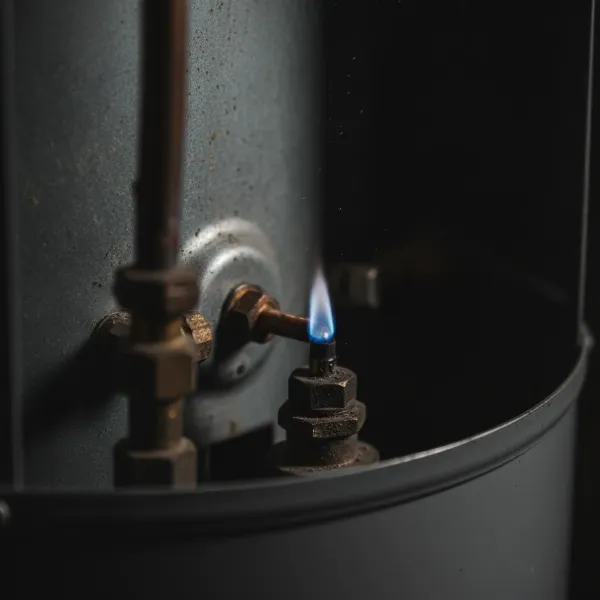 An illustration of a gas water heater with a highlighted pilot light, indicating a small flame, surrounded by subtle shadows to convey it going out. Focus on realistic style and clear visibility of the pilot light.
Dirty or Clogged Pilot Tube
The pilot tube is a small gas line that delivers gas to the pilot light. Over time, sediment, rust, or other debris can accumulate inside this tiny tube, obstructing the flow of gas.
- Why it fails: A partial blockage reduces the gas supply to the pilot, causing a weak flame that is easily extinguished or won’t light at all. A complete blockage means no gas reaches the pilot, so it cannot ignite.
- Fix: This issue often requires careful cleaning of the pilot tube and its orifice. Turn off the gas supply and allow time for any residual gas to dissipate. A fine wire or compressed air can be used to clear the obstruction, but extreme caution is advised to avoid damaging components. If you’re uncomfortable, it’s best to call a licensed plumber.
Low Gas Pressure
Your home’s overall gas pressure can impact the water heater’s pilot light. If the pressure is too low, it may not be sufficient to keep the pilot flame burning steadily.
- Why it fails: Low gas pressure can be a result of issues with your utility provider’s supply, problems with your home’s main gas line, or even other gas appliances in your home drawing too much gas simultaneously.
- Fix: This is typically not a DIY fix. If you suspect low gas pressure, contact your gas utility company immediately. They can check the supply to your home and address any main line issues. If the problem is internal, a licensed professional can inspect your gas lines and appliances.
Defective Gas Control Valve
The gas control valve on your water heater regulates the flow of gas to both the pilot light and the main burner. A malfunction in this valve can disrupt the gas supply.
- Why it fails: A faulty gas control valve might intermittently cut off the gas supply to the pilot light, causing it to go out unexpectedly. This can be due to electrical issues within the valve or mechanical wear.
- Fix: A defective gas control valve is a serious issue and must be handled by a qualified technician. This component deals directly with gas flow and electrical signals, requiring specialized skills and tools for repair or replacement. Attempting to fix it yourself can be dangerous.
Moisture or Water in the Burner Compartment
Water and gas do not mix well. If moisture accumulates in the burner compartment, it can interfere with the pilot light’s ability to stay lit.
- Why it fails: Leaks from the water heater tank, condensation, or high humidity can introduce water into the burner area, dousing the pilot flame or causing it to sputter and extinguish.
- Fix: Inspect the water heater for any signs of leaks. Address any identified leaks promptly, which might involve sealing connections or replacing a component. If condensation is excessive, improving ventilation in the area may help. A plumber can help diagnose and fix underlying water issues.
How to Safely Relight Your Water Heater’s Pilot Light
If your pilot light has gone out, you can often relight it yourself. Always consult your water heater’s owner’s manual for specific instructions, as procedures can vary slightly by model.
- Locate the Gas Control Knob: Find the gas control valve on your water heater. It usually has settings like “Off,” “Pilot,” and “On.”
- Turn Off Gas Supply: Rotate the knob to the “Off” position. This stops the flow of gas. Wait at least 5-10 minutes for any residual gas to dissipate to prevent ignition hazards.
- Access the Pilot: Remove the outer and inner access panels (usually found at the bottom of the water heater) to expose the burner assembly and pilot light.
- Turn to Pilot Setting: Turn the gas control knob to the “Pilot” setting and press and hold it down. This allows gas to flow to the pilot light.
- Ignite the Pilot: While holding the knob down, use a long lighter, match, or the water heater’s built-in igniter button (if present) to light the pilot flame. Keep pressing the igniter or holding the flame to the pilot for about 30-60 seconds after it ignites.
- Release and Turn On: Slowly release the gas control knob. The pilot flame should remain lit. If it goes out, repeat the process. Once the pilot is stable, turn the gas control knob to the “On” position. You should hear the main burner ignite shortly, and hot water production will resume.
Safety First: If you smell gas at any point, do not attempt to light the pilot. Turn off the gas supply, ventilate the area, and call a professional. Never force controls.
When to Call a Professional Plumber
While some pilot light issues can be a DIY fix, others require the expertise of a licensed professional.
- Repeated Outages: If your pilot light goes out frequently or immediately after relighting, it signals a persistent problem that needs professional diagnosis.
- Gas Smell: Any smell of gas is a serious concern. Evacuate the area, turn off the main gas supply if safe to do so, and call your gas company and a plumber immediately.
- Uncertainty or Discomfort: If you’re unsure about any step of the troubleshooting or relighting process, or simply uncomfortable working with gas appliances, call a professional.
- Complex Component Failures: Issues like a defective gas control valve, persistent low gas pressure, or internal water leaks are best left to licensed technicians with the right tools and training.
“A persistent pilot light problem is rarely just an inconvenience; it’s often your water heater signaling a deeper issue that could compromise its efficiency or, more critically, your home’s safety. Don’t hesitate to seek expert advice.” – John Smith, Master Plumber and Water Heater Specialist
Preventive Maintenance Tips
Regular maintenance can extend the life of your water heater and prevent pilot light issues.
- Annual Professional Inspection: Schedule an annual check-up with a licensed plumber. They can inspect the pilot assembly, thermocouple, gas lines, and overall water heater condition.
- Ensure Proper Ventilation: Keep the area around your water heater clear and free of debris. Ensure that ventilation openings are not blocked.
- Monitor Flame Color: Periodically check the pilot flame color. A consistent blue flame indicates healthy operation.
- Clean Regularly: Gently clean the pilot tube and thermocouple area to prevent dust and soot buildup, ensuring optimal performance.
Conclusion
A water heater pilot light that keeps going out can be a frustrating and inconvenient issue, but understanding its common causes can empower you to troubleshoot effectively. Whether it’s a simple cleaning of the thermocouple or a more complex problem requiring professional attention, prioritizing safety is paramount. By recognizing the signs, knowing when to perform a DIY fix, and understanding when to call in an expert, you can ensure your home maintains a reliable supply of hot water. Don’t let a small flame extinguish your comfort – address pilot light issues promptly and safely.
What’s the most surprising reason you’ve found for a pilot light going out in your home?
Frequently Asked Questions
How long should I hold the pilot light button down when relighting?
Typically, you should hold the pilot light button down for 30 to 60 seconds after the flame ignites. This allows the thermocouple to heat up sufficiently and generate enough voltage to keep the gas valve open once you release the button.
What does it mean if my pilot light is yellow instead of blue?
A yellow, orange, or flickering pilot flame indicates incomplete combustion, often due to a lack of oxygen or a dirty pilot orifice. This can lead to soot buildup and is less efficient. A healthy pilot flame should always be a strong, steady blue.
Can I replace the thermocouple myself?
Replacing a thermocouple can be a DIY task for those with basic plumbing and mechanical skills, but it requires careful attention to detail and safety protocols. Ensure you turn off the gas supply, use the correct replacement part, and follow your water heater’s manual precisely. If unsure, it’s always safer to hire a professional.
Is it dangerous if my water heater pilot light keeps going out?
In most modern water heaters, a faulty thermocouple acts as a safety feature, shutting off the gas supply if the pilot goes out, thus preventing gas leaks. However, if the thermocouple itself is malfunctioning, or if you repeatedly try to relight the pilot without proper ventilation, gas buildup can become dangerous. Always prioritize safety and call a professional if you suspect a gas leak.
How often should I have my water heater inspected by a professional?
It is recommended to have your gas Water Heater inspected by a licensed plumber annually. This routine check can help identify potential issues like thermocouple problems, gas line concerns, or sediment buildup before they lead to inconvenient breakdowns or safety hazards.