Let’s be honest, nobody gets excited about their water heater… until it breaks down or the energy bill arrives. It’s one of those “out of sight, out of mind” appliances, humming away in a closet or basement. But here’s a startling fact: heating water is the second-largest energy expense in most homes, accounting for nearly 20% of your utility bill. Finding the Most Energy Efficient Water Heater isn’t just a smart upgrade; it’s a major investment in your home’s long-term savings and comfort.
But where do you even start? The market is flooded with terms like “tankless,” “hybrid,” “UEF ratings,” and “condensing.” It can feel overwhelming. As a senior technical consultant, I’ve spent years helping homeowners navigate this exact challenge. My goal here is to cut through the jargon, break down the options, and give you the straightforward advice you need to make the best choice for your home and your wallet.
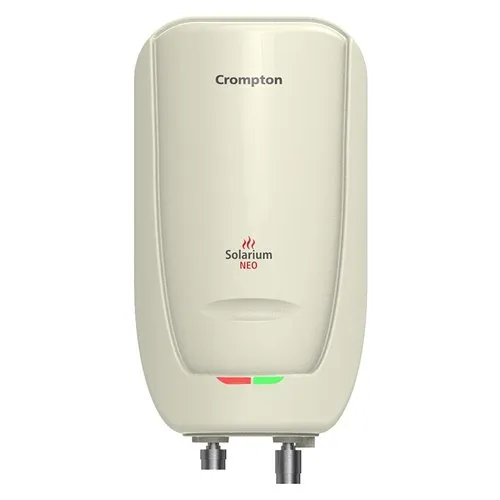
A Rundown of Your Water Heater Options
Before we can crown a winner, it’s crucial to understand the main contenders in the ring. Each type has its own way of heating water, with unique pros and cons when it comes to efficiency.
Traditional Storage Tank Water Heaters
This is the one you probably picture in your head: a big, insulated metal tank that keeps a reservoir of water hot 24/7, ready for when you need it. They are typically powered by either natural gas or electricity.
- Pros: Lower initial purchase price, simple technology, and reliable performance.
- Cons: They suffer from standby heat loss. Because the tank is constantly working to keep 40-50 gallons of water hot, it’s always using energy, even when you’re not using hot water. This makes them the least efficient option on this list.
Tankless (On-Demand) Water Heaters
Imagine a water heater that only works when you need it. That’s a tankless heater. When you turn on a hot water tap, cold water flows through the unit, and a powerful gas burner or electric element heats it instantly.
- Pros: Incredible energy savings (up to 30-40% over a tank model) because they eliminate standby heat loss. They also provide an endless supply of hot water and have a much longer lifespan.
- Cons: Higher upfront cost, and the installation can be more complex, sometimes requiring upgrades to your electrical or gas lines. Large households might need a bigger unit to handle simultaneous uses (like a shower and dishwasher running at once).
Heat Pump (Hybrid) Water Heaters
Now we’re getting to the heavy hitters. A heat pump water heater doesn’t create heat directly. Instead, it pulls heat from the surrounding air and transfers it to the water in the tank. Think of it as a refrigerator working in reverse.
- Pros: This is often the most energy efficient water heater on the market, especially the electric models. They can be 2-3 times more efficient than a standard electric storage tank heater. The savings are substantial.
- Cons: They need space and good airflow to work (at least 1,000 cubic feet of uncooled space). They are taller than standard units, have a high initial cost, and can be a bit noisier. They also work a bit slower, though most have backup electric elements for high-demand periods.
Solar Water Heaters
The greenest option of them all, solar water heaters use collectors on your roof to capture the sun’s heat and transfer it to your water.
- Pros: The lowest ongoing operational cost—your energy source is free! It’s an incredibly eco-friendly choice.
- Cons: Very high initial investment and dependence on a sunny climate. You’ll also need a backup system (like a tankless or small tank heater) for cloudy days or nighttime use.
So, Which Is the Most Energy Efficient Water Heater?
After looking at the technology, the heat pump water heater is generally the most energy efficient water heater you can buy today. Its ability to move heat rather than generate it gives it a massive efficiency advantage, often reflected in an incredibly high Uniform Energy Factor (UEF) rating—the industry standard for measuring efficiency.
However, the “best” choice is always personal. A tankless gas model might be more efficient in the long run for a large family in a cold climate, while a single person in a small apartment could do great with a small electric tankless unit.
To help you visualize the differences, here’s a quick comparison:
| Feature | Storage Tank (Electric) | Tankless (Gas) | Heat Pump (Hybrid) |
|---|---|---|---|
| Upfront Cost | Low ($500 – $1,200) | High ($1,500 – $3,500) | Very High ($2,000 – $4,500) |
| Annual Energy Cost | High (~$550) | Low (~$220) | Very Low (~$150) |
| Efficiency (UEF) | ~0.93 | ~0.96+ | 3.0+ |
| Lifespan | 10-12 years | 20+ years | 13-15 years |
| Best For | Budget-conscious buyers | Large families, endless hot water | Maximum long-term savings |
Note: Costs are estimates and can vary widely based on model, location, and installation complexity.
Key Factors to Consider Before You Buy
Choosing the right unit goes beyond just picking a type. Here are the critical factors I always tell my clients to consider:
1. Fuel Type, Availability, and Cost
What fuel sources are available in your home? Gas, electric, or propane? Gas is typically cheaper than electricity, so a high-efficiency gas tankless heater might offer better long-term savings than a standard electric tank heater.
2. Size and Capacity
This is crucial. For tank heaters, you look at the First Hour Rating (FHR), which tells you how many gallons of hot water it can produce in an hour of high use. For tankless heaters, you need to calculate the gallons per minute (GPM) you’ll need at peak demand. Getting this wrong means lukewarm showers or a heater that’s too big and expensive for your needs.
3. Your Climate
If you live in a warm region, a heat pump water heater is a fantastic choice because there’s plenty of ambient heat in the air for it to draw from. If you live in a very cold climate, the efficiency of a heat pump can drop, and a condensing gas tankless model might be a better bet.
4. Overall Cost: Upfront vs. Lifetime
Don’t just look at the sticker price. The most energy efficient water heater might cost more initially, but it can save you hundreds of dollars a year. Calculate the payback period—how long it will take for the energy savings to cover the higher purchase price. Many high-efficiency models also qualify for tax credits or local utility rebates, which can significantly lower the initial cost.
Bảng trống.What About Installation and Maintenance?
Proper installation is non-negotiable for safety and efficiency. While a savvy DIYer might tackle replacing an electric tank heater, I always recommend a licensed plumber for gas, tankless, and heat pump installations.
“I can’t tell you how many performance issues I’ve seen that trace back to a poor installation,” says John Carter, a master plumber with over 20 years of experience. “Incorrect venting on a gas unit is dangerous, and improper sizing for a tankless heater leads to frustrated homeowners. Getting it right from the start saves you a world of headaches.”
Once installed, basic maintenance will extend the life of your unit:
- Check the Temperature/Pressure Relief Valve: Test it annually to make sure it’s working.
- Flush the Tank: Once a year, drain a few gallons from the tank to remove sediment. This improves efficiency and prevents corrosion.
- Inspect the Anode Rod: Every 2-3 years, check the anode rod in a tank heater. It’s designed to corrode so your tank doesn’t. If it’s pencil-thin, it’s time for a replacement.
Quick Tips to Maximize Your Water Heater’s Efficiency
Even if you’re not ready for a new unit, you can save money right now:
- Lower the Thermostat: Most heaters are set to 140°F (60°C) by default. Lowering it to 120°F (49°C) is safe for most households and can reduce your water heating costs by up to 10%.
- Insulate the Pipes: Use foam pipe sleeves on the first few feet of hot and cold water pipes connected to the heater.
- Insulate the Tank: If you have an older tank heater, an insulating blanket can reduce standby heat loss by 25-45%.
- Use Less Hot Water: Install low-flow fixtures, wash clothes in cold water, and fix leaky faucets promptly.
Frequently Asked Questions (FAQ)
What is a good UEF rating for a water heater?
A good Uniform Energy Factor (UEF) rating depends on the type. For a standard electric tank, anything over 0.9 is decent. For gas tankless, look for 0.95 or higher. For heat pump models, you want to see a UEF of 3.0 or even higher for maximum efficiency.
Are tankless water heaters always more efficient?
They are always more efficient than a comparable storage tank model because they eliminate standby heat loss. However, a heat pump water heater is generally more efficient overall than any other type of electric water heater, including electric tankless models.
How much can I save with a heat pump water heater?
According to ENERGY STAR, a certified heat pump water heater can save a family of four around $350 per year on their electric bills compared to a standard electric water heater, adding up to over $3,500 in savings over its lifetime.
Does the size of my family affect which water heater is most efficient for me?
Absolutely. A large family that uses a lot of hot water simultaneously will benefit greatly from the endless supply of a large-capacity gas tankless unit. A smaller household might find a heat pump heater to be the most cost-effective choice, as its slower recovery time is less of an issue.
Can I install an energy-efficient water heater myself?
For your safety, professional installation is highly recommended, especially for gas models, which require proper venting, and for heat pump or tankless models, which can have complex plumbing and electrical requirements. An incorrect installation can be inefficient and dangerous.
Your Next Step to Lower Energy Bills
Choosing a new water heater is a big decision, but it’s also a fantastic opportunity to make a long-term impact on your monthly budget and your home’s environmental footprint. While the heat pump model often takes the prize as the most energy efficient water heater, the perfect choice for you depends on your family’s needs, your home’s infrastructure, and your budget.
Take a moment to look at your current unit. Check its age, listen for strange noises, and take a peek at your last utility bill. Armed with the knowledge from this guide, you’re now ready to start the conversation and make a smart, informed decision that will bring you comfort and savings for years to come.