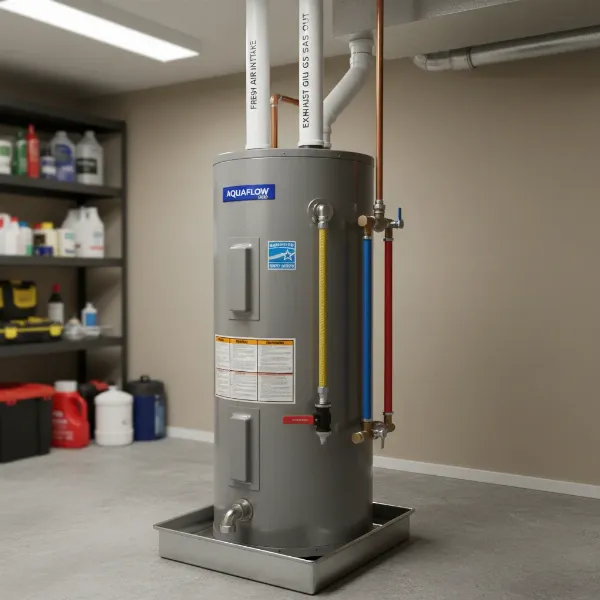
Maintaining a consistent supply of hot water is often taken for granted until an issue arises. Few homeowners realize that one of the most critical aspects of water heater upkeep is a simple, yet often overlooked task: flushing the tank to remove sediment buildup. Over time, naturally occurring minerals in your water, such as calcium and magnesium, settle at the bottom of your water heater, forming a layer of sediment. This buildup can significantly hinder your unit’s performance, leading to a host of problems from reduced efficiency to premature failure.
This comprehensive guide will walk you through everything you need to know about flushing your water heater. From understanding why sediment is a problem to a step-by-step instruction on how to perform the flush yourself, you’ll gain the knowledge to keep your water heater running efficiently and extend its lifespan.
The Silent Saboteur: Understanding Sediment Buildup in Your Water Heater
Every drop of water entering your home carries dissolved minerals. While harmless to drink, these minerals, especially in areas with “hard water,” can precipitate out of the water when heated and settle at the bottom of your water heater tank. This accumulation of sediment acts like an insulating layer between the heating element (for electric units) or the burner (for gas units) and the water itself. The result is a water heater that has to work harder and longer to heat the same amount of water, leading to various unwelcome symptoms.
Signs Your Water Heater Needs a Flush
Recognizing the early warning signs of sediment buildup can save you from costly repairs and unexpected cold showers. Here are the common indicators that your water heater is due for a flush:
- Rumbling or Popping Noises: As the heating element attempts to heat water through the sediment layer, trapped pockets of water can boil and burst, creating noticeable rumbling, popping, or banging sounds. These noises are a clear indicator of significant sediment accumulation.
- Reduced Heating Efficiency: If your hot water isn’t as hot as it used to be, or if it takes longer to heat up, sediment could be the culprit. The insulating layer prevents efficient heat transfer, forcing your unit to consume more energy to reach desired temperatures.
- Decreased Hot Water Supply: Sediment takes up valuable space inside the tank, effectively reducing its hot water capacity. You might notice your hot water running out faster than usual, especially during peak demand.
- Discolored or Foul-Smelling Water: Sediment, particularly if it includes rust particles or other organic matter, can lead to cloudy, rusty, or even sulfurous-smelling hot water. This is not only unpleasant but can also indicate corrosion within the tank.
|
Our Picks for the Best Water Heater in 2026
As an Amazon Associate I earn from qualifying purchases.
|
||
| Num | Product | Action |
|---|---|---|
| 1 | Amazon Basics Electric Stainless Steel Kettle for Tea and Coffee, BPA-Free, Fast Boiling, Auto Shut-Off, 1.7 Liter, 1500W, Black and Silver |

|
| 2 | Immersion Water Heater Electric, 2000W Portable Water Heater with 304 S S Guard & LCD Thermometer, Fast Heating Bucket Heater, Ideal for Small Bucket Bathtub, Small Pool, Home Camping Outdoor Use |
|
| 3 | OVENTE Electric Kettle, 1.7L Fast Boiling Water Heater for Coffee or Tea, BPA Free with Water Level Gauge, Auto Shut-Off, Boil-Dry Protection, Indicator Light and Removable Filter, White KP72W |
|
| 4 | Portable Immersion Water Heater 1800W 120V, Electric Heater for Buckets, Bathtubs and Mini Pools, Submersible Design with Thermostat, Real Time Temperature Display and Dry Burn Protection |
|
| 5 | Portable Water Heater 2000W, Pool Heater - Immersion Heater with Digital Thermometer, Upgraded Magnesium Oxide Heating for Fast Heating, for Small Pools, Bathtubs, Buckets, Tanks |
|
| 6 | Cosori Electric Kettle, No Plastic Contact With Water, Wide Mouth For Easy Cleaning, Auto Shut Off, 1.7L Tea Kettle & Hot Water Boiler, Water Heater & Teapot, Borosilicate Glass, Black, 1500W |
|
| 7 | Amazon Basics Electric Kettle with Glass Carafe for Tea and Coffee, BPA-Free, Fast Boiling, Auto Shut-Off, 1.7 Liter, 1500W, Black and Silver |
|
| 8 | Chefman Electric Kettle, 1.8L 1500W, Hot Water Boiler, Removable Lid for Easy Cleaning, Auto Shut Off, Boil-Dry Protection, Stainless Steel Filter, BPA Free, Borosilicate Glass Electric Tea Kettle |
|
| 9 | Zojirushi Micom Water Boiler and Warmer (135 oz. / 4L, Silver) |
|
| 10 | Amazon Basics Electric Kettle with Glass Carafe for Tea and Coffee, BPA-Free, Fast Boiling, Auto Shut-Off, 1 Liter, 1500W, Glass and Steel |
|
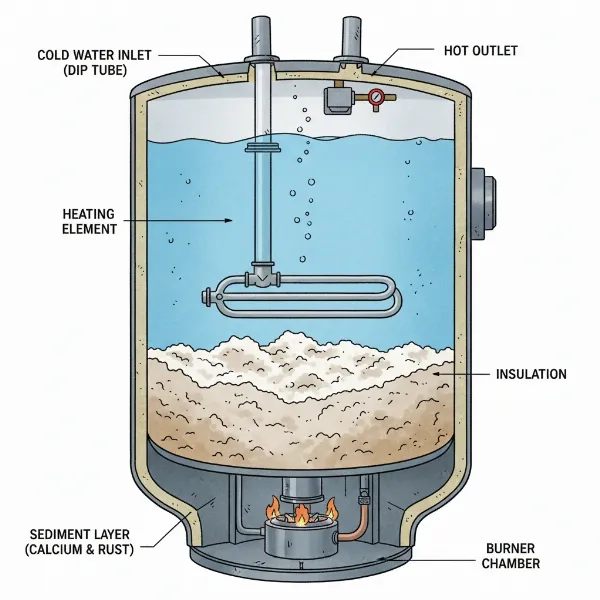 A conceptual image of a water heater with a visible layer of sediment at the bottom, illustrating the problem of mineral accumulation.
Why Regular Flushing is Essential for Your Water Heater’s Health
Flushing your water heater is a simple maintenance task with significant long-term benefits. It’s an investment in your home’s comfort and your appliance’s longevity.
Extends Lifespan and Prevents Costly Repairs
Sediment buildup creates hotspots and puts undue stress on the heating elements and the tank lining, accelerating wear and tear. This can lead to corrosion, pinhole leaks, and ultimately, premature failure of the unit. Regular flushing removes this abrasive and corrosive material, significantly extending the operational life of your water heater and helping you avoid expensive repairs or a full replacement. As a veteran technician, I’ve seen firsthand how “a consistent flushing regimen can add years to a water heater’s life, preventing minor issues from escalating into major system failures.”
Improves Efficiency and Lowers Energy Bills
When sediment forms an insulating barrier, your water heater has to work harder to transfer heat to the water. This increased effort translates directly into higher energy consumption. By removing the sediment, your water heater can operate at its peak efficiency, heating water more quickly and using less energy. This not only reduces your carbon footprint but also leads to noticeable savings on your monthly utility bills.
Ensures Consistent Hot Water Supply
With sediment taking up space and impeding heat transfer, your water heater struggles to maintain a steady supply of hot water. Flushing the tank restores its full capacity and allows for more efficient heating, ensuring that you have a reliable flow of hot water for showers, laundry, and other household needs without unexpected interruptions.
Maintains Water Quality
Sediment and scale can lead to unpleasant water quality issues, including discoloration or an undesirable odor. Flushing helps prevent these problems by removing the source of the contamination, ensuring your hot water remains clear, clean, and fresh.
Your Step-by-Step Guide: How to Flush Your Water Heater Safely
Flushing your Water Heater is a DIY-friendly task, but safety and proper execution are key. Follow these steps carefully to effectively remove sediment and revitalize your unit.
Gather Your Tools and Prioritize Safety
Before you begin, ensure you have the necessary equipment readily available.
| Tool | Purpose