Ever heard your water heater making a popping, rumbling, or crackling sound, like a tiny popcorn machine in your basement? That’s not your house settling; it’s the sound of sediment buildup crying for help. Learning How To Flush A Water Heater To Remove Sediment is one of the most impactful DIY maintenance tasks you can perform. It not only quiets that racket but also boosts efficiency, extends the unit’s lifespan, and saves you money on energy bills. As a Senior Technical Consultant, I’ve seen countless heaters fail prematurely simply because this crucial step was ignored. Don’t let that be you. This guide will walk you through the entire process, turning a seemingly daunting task into a simple, manageable Saturday morning project.
What is Water Heater Sediment, Anyway?
So, what is this stuff causing all the fuss? Sediment is primarily composed of minerals, mostly calcium and magnesium, that are naturally present in your water supply. This is especially true if you live in an area with “hard water.” When water is heated, these minerals separate and settle at the bottom of the tank. Over time, they form a thick, coarse layer of gunk that creates a slew of problems.
This layer of sediment acts as an insulator between the heating element (or burner) and the water. The system has to work much harder, and longer, to heat the water, which wastes energy and puts a strain on the components. The popping noises you hear are actually small pockets of water trapped under the sediment layer, boiling and bursting through.
Why You Absolutely Should Flush Your Water Heater
Flushing your water heater isn’t just about stopping weird noises. It’s a critical maintenance task with real, tangible benefits. Think of it like changing the oil in your car; you do it to prevent bigger, more expensive problems down the road.
- Improved Energy Efficiency: By removing the insulating layer of sediment, the heat can transfer directly to the water, allowing your unit to run more efficiently and lowering your utility bills.
- Increased Lifespan: Reducing the strain on the heating elements and the tank itself can significantly prolong the life of your water heater, delaying a costly replacement.
- More Hot Water: A tank full of sediment has less volume for water. Flushing restores your heater’s full capacity, meaning longer, hotter showers.
- Quieter Operation: Say goodbye to those unsettling pops and rumbles. A clean tank is a quiet tank.
- Prevents Damage: Overheating caused by sediment can damage the tank’s inner lining and components, leading to leaks and catastrophic failure.
Expert Take: According to Master Plumber John Carter, “I can’t stress this enough: annual flushing is the single best thing a homeowner can do for their tank-style water heater. I’ve seen five-year-old heaters completely caked with sediment, and I’ve seen 15-year-old heaters that look brand new inside. The difference is always regular maintenance.”
When Should You Flush Your Water Heater?
The general recommendation is to flush your water heater at least once a year. However, if you live in an area with particularly hard water, you may benefit from doing it every six months.
Not sure if it’s time? Here are the tell-tale signs:
- Rumbling, popping, or knocking sounds coming from the tank.
- You’re running out of hot water faster than you used to.
- Your water temperature is inconsistent or lukewarm.
- You notice cloudy or discolored hot water coming from your faucets.
If you’re experiencing any of these, it’s definitely time to schedule a flush.
Gather Your Tools: The DIY Flushing Checklist
Before you start, you’ll want to have everything you need on hand. This will make the process smooth and prevent any mid-project frantic searches.
- A standard garden hose: Long enough to run from your water heater’s drain valve to a floor drain, utility sink, or outside.
- A bucket: Useful for catching the initial burst of water and any drips.
- Pliers or a flathead screwdriver: Depending on the type of drain valve you have.
- Work gloves: The water coming out will be hot, so safety is key.
- Towel or rags: For inevitable small spills.
A Step-by-Step Guide on How to Flush a Water Heater to Remove Sediment
Alright, let’s get down to business. Follow these steps carefully, and remember, safety first. If at any point you feel unsure, don’t hesitate to call a professional plumber.
Step 1: Turn Off the Power and/or Gas
This is the most critical safety step. Do not skip it.
- For an electric water heater: Go to your home’s breaker box and shut off the circuit breaker that controls the water heater. You may want to put a piece of tape over it to prevent someone from accidentally turning it back on.
- For a gas water heater: Look for the gas control knob on the unit itself. Turn it to the “PILOT” or “OFF” position. This will stop the burner from igniting while you’re working.
Step 2: Shut Off the Cold Water Supply
Locate the cold water inlet pipe on your water heater (it’s usually marked blue or labeled). There will be a shut-off valve on this pipe. Turn the valve clockwise until it’s fully closed. This stops new water from entering the tank while you drain it.
Step 3: Open a Hot Water Faucet
Go to a sink or tub somewhere in your house—preferably on an upper floor—and turn on the hot water tap. Leave it running. This seems counterintuitive, but it allows air to enter the system, preventing a vacuum from forming and helping the tank drain much faster. You’ll just get a trickle of water, and then it will stop.
Step 4: Connect the Garden Hose
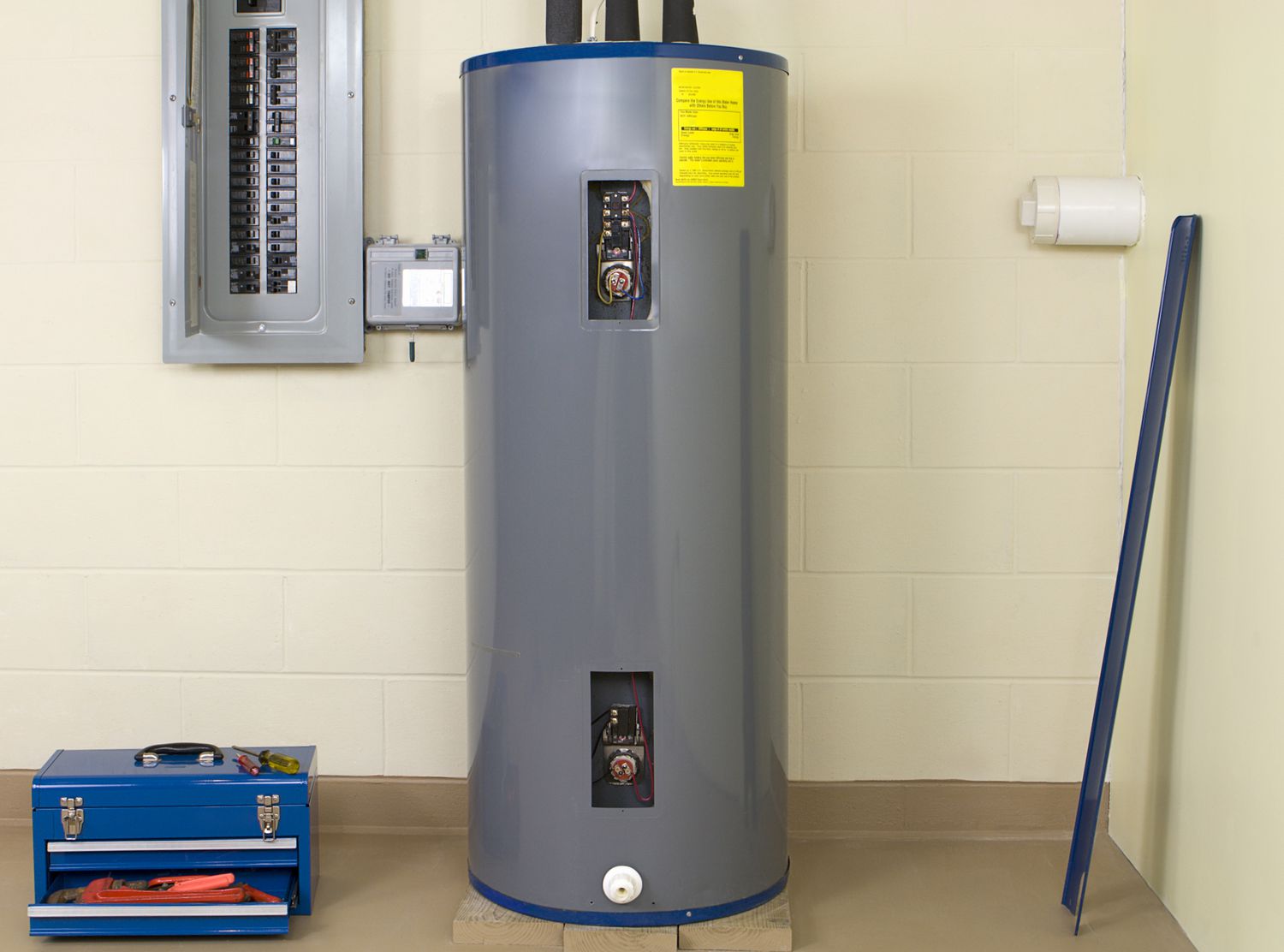
Now, head back to the water heater. Locate the drain valve near the bottom of the tank. It will look like a regular hose spigot. Screw one end of your garden hose onto this valve. Run the other end of the hose to a safe drainage point, like a floor drain or outside. Make sure the end of the hose is lower than the valve to allow gravity to do its work.
Safety Warning: The water coming out of the tank can be extremely hot and may cause severe burns. Always wear protective gloves and ensure the drainage area is clear of pets and children.
Step 5: Open the Drain Valve and Flush
Using your pliers or screwdriver, slowly turn the drain valve counter-clockwise to open it. Water will start to flow out through the hose. You’ll likely see cloudy, discolored water filled with sandy or flaky sediment at first. This is a good thing—it means you’re getting the gunk out!
Let the tank drain completely. To help dislodge stubborn sediment, you can briefly open the cold water supply valve for a few seconds in short bursts. This will stir up the sediment at the bottom of the tank and help flush it out.
Step 6: Close the Drain Valve and Remove the Hose
Once the water runs clear and you’ve flushed out as much sediment as possible, close the drain valve by turning it clockwise. Then, turn off the hot water faucet you left running inside the house. You can now disconnect the garden hose.
Step 7: Refill the Tank
Slowly reopen the cold water supply valve. You will hear the tank starting to fill. Keep that same hot water faucet in the house open. As the tank fills, it will push air out through that open faucet. Once you get a steady, sputter-free stream of water from the faucet, the tank is full. You can now close that faucet.
Step 8: Turn the Power or Gas Back On
The final step!
- For an electric heater: Go back to the breaker box and flip the circuit back on.
- For a gas heater: Turn the gas control knob back to its original “ON” or “RUN” position. You may need to relight the pilot light, following the manufacturer’s specific instructions printed on the unit.
And that’s it! You’ve successfully learned how to flush a water heater to remove sediment. Listen to your water heater now—that satisfyingly quiet hum is the sound of an efficient, happy appliance.
Frequently Asked Questions (FAQ)
Q1: How often should I flush my water heater?
A: As a general rule, you should flush your water heater once a year. However, if your home has very hard water, it’s a good idea to do it every six months to prevent heavy sediment buildup.
Q2: Can I flush a water heater myself?
A: Absolutely. Flushing a water heater is a very common and manageable DIY task for most homeowners. As long as you follow the safety precautions, particularly turning off the power/gas and handling the hot water carefully, it’s a straightforward process.
Q3: What if no water comes out when I open the drain valve?
A: This usually means the drain valve itself is clogged with sediment. With the water supply off and the hose connected, you can try opening and closing the valve a few times to break it loose. You can also try carefully poking a piece of wire into the valve opening to dislodge the blockage. If that doesn’t work, you may need to call a plumber to replace the valve.
Q4: Does flushing my water heater affect my anode rod?
A: Flushing doesn’t directly affect the anode rod, but they are both part of the same maintenance ecosystem. The anode rod is a “sacrificial” rod that corrodes to protect the tank’s lining. When you’re performing maintenance like a flush, it’s a great time to check the anode rod’s condition as well.
Q5: Is the process different for a tankless water heater?
A: Yes, very different. Tankless water heaters don’t store water, so they don’t collect sediment in the same way. However, they are susceptible to scale buildup on their heating elements. They require a descaling process, which typically involves circulating a vinegar or descaling solution through the unit, rather than a simple flush.
Final Thoughts
Taking an hour once a year to flush your water heater is an investment that pays for itself many times over. You’re not just performing a simple chore; you’re actively protecting a major home appliance, improving its performance, and making your home more energy-efficient. By following this guide on how to flush a water heater to remove sediment, you’ve empowered yourself with the knowledge to keep your hot water flowing freely and efficiently for years to come. Now, go take a look at your unit and give it the care it deserves.