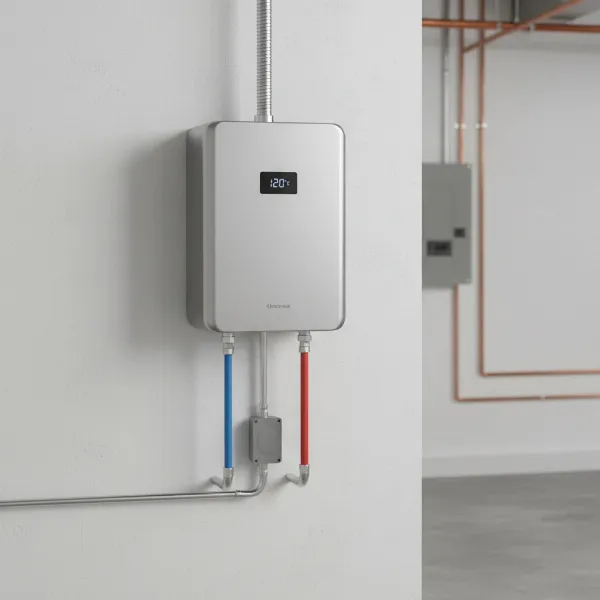
Your water heater works tirelessly behind the scenes, providing comforting hot showers and clean dishes. Yet, there’s a small, often overlooked component that plays a monumental role in its longevity: the anode rod. Often dubbed the “sacrificial rod,” this unsung hero actively combats corrosion, preventing premature tank failure and extending your appliance’s life by years. Neglecting it can lead to costly repairs or even a full water heater replacement. This guide empowers you to understand, check, and replace your water heater’s anode rod, transforming a potentially intimidating task into a manageable DIY project that saves you money and keeps your hot water flowing.
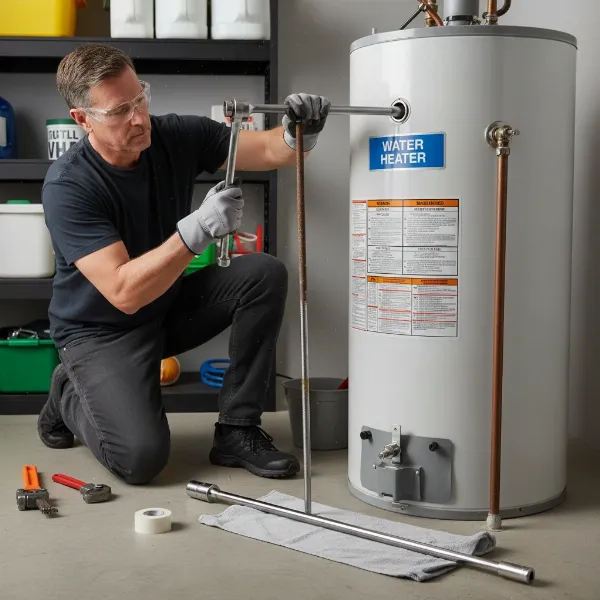 A person demonstrating how to replace a water heater anode rod with appropriate tools.
Understanding Your Water Heater’s Anode Rod
The anode rod is your water heater’s first line of defense against the corrosive forces within its tank. Made from a more reactive metal than the steel tank itself, it sacrifices itself to protect the internal lining.
What is an Anode Rod?
|
Our Picks for the Best Water Heater in 2026
As an Amazon Associate I earn from qualifying purchases.
|
||
| Num | Product | Action |
|---|---|---|
| 1 | Portable Immersion Water Heater 1800W 120V, Electric Heater for Buckets, Bathtubs and Mini Pools, Submersible Design with Thermostat, Real Time Temperature Display and Dry Burn Protection |

|
| 2 | Cosori Electric Kettle, No Plastic Contact With Water, Wide Mouth For Easy Cleaning, Auto Shut Off, 1.7L Tea Kettle & Hot Water Boiler, Water Heater & Teapot, Borosilicate Glass, Black, 1500W |
|
| 3 | Immersion Water Heater Electric, 2000W Portable Water Heater with 304 S S Guard & LCD Thermometer, Fast Heating Bucket Heater, Ideal for Small Bucket Bathtub, Small Pool, Home Camping Outdoor Use |
|
| 4 | OVENTE Electric Kettle, 1.7L Fast Boiling Water Heater for Coffee or Tea, BPA Free with Water Level Gauge, Auto Shut-Off, Boil-Dry Protection, Indicator Light and Removable Filter, White KP72W |
|
| 5 | Amazon Basics Electric Kettle with Glass Carafe for Tea and Coffee, BPA-Free, Fast Boiling, Auto Shut-Off, 1.7 Liter, 1500W, Black and Silver |
|
| 6 | Zojirushi Micom Water Boiler and Warmer (135 oz. / 4L, Silver) |
|
| 7 | Portable Water Heater 2000W, Pool Heater - Immersion Heater with Digital Thermometer, Upgraded Magnesium Oxide Heating for Fast Heating, for Small Pools, Bathtubs, Buckets, Tanks |
|
| 8 | Amazon Basics Electric Kettle with Glass Carafe for Tea and Coffee, BPA-Free, Fast Boiling, Auto Shut-Off, 1 Liter, 1500W, Glass and Steel |
|
| 9 | Amazon Basics Electric Stainless Steel Kettle for Tea and Coffee, BPA-Free, Fast Boiling, Auto Shut-Off, 1.7 Liter, 1500W, Black and Silver |
|
| 10 | Chefman Electric Kettle, 1.8L 1500W, Hot Water Boiler, Removable Lid for Easy Cleaning, Auto Shut Off, Boil-Dry Protection, Stainless Steel Filter, BPA Free, Borosilicate Glass Electric Tea Kettle |
|
An anode rod is a metal rod, typically made of magnesium, aluminum, or a combination of aluminum and zinc, threaded into the top of your water heater tank. Its primary purpose is to attract corrosive elements present in the water, such as dissolved minerals and oxygen. Through an electrochemical process known as cathodic protection, these corrosive elements attack the anode rod instead of the steel tank. As a result, the rod slowly dissolves over time, acting as a “sacrificial” component.
Why is it Important to Check and Replace?
Ignoring your anode rod can lead to severe consequences for your water heater. As the rod corrodes, it wears down, eventually leaving the tank vulnerable. Once the sacrificial material is depleted, rust will begin to attack the exposed steel of the tank, leading to leaks, tank failure, and the need for a complete water heater replacement. Regular checking and timely replacement of the anode rod can significantly extend your water heater’s lifespan, often beyond its standard warranty, helping you avoid expensive emergency repairs and ensuring consistent hot water.
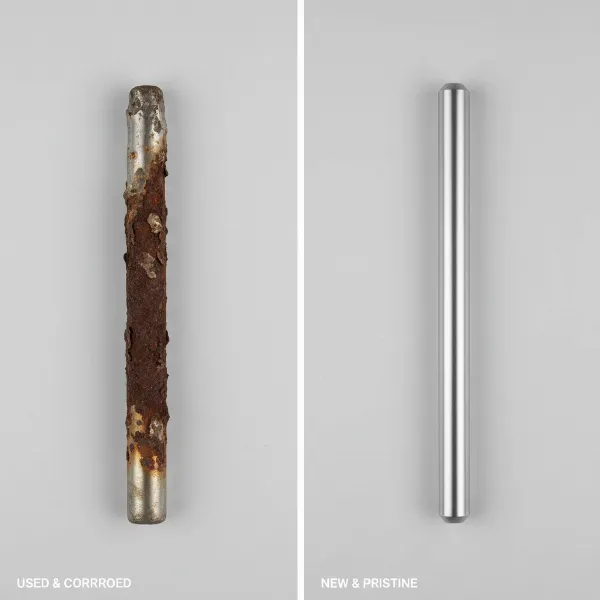 Side-by-side comparison of a severely corroded old anode rod and a brand new, clean anode rod.
Signs You Need to Check or Replace Your Anode Rod
Catching the early warning signs of a failing anode rod can save your water heater. Pay attention to changes in your hot water quality or your unit’s performance.
Unusual Noises from the Water Heater
While not always directly linked to the anode rod, strange noises like popping or rumbling can indicate sediment buildup. A corroding anode rod can contribute to this by allowing rust and scale to form, settling at the bottom of the tank and causing these sounds as water heats up around them. These noises suggest increased wear on your system and warrant an inspection.
Unpleasant Water Odor or Discoloration
One of the most common and noticeable signs is a “rotten egg” smell emanating from your hot water. This distinctive odor is caused by hydrogen sulfide gas, often produced when sulfur-reducing bacteria react with a magnesium or aluminum anode rod. If your hot water appears rusty or discolored, it’s a clear indicator that the inside of your tank is corroding, likely because the anode rod has worn out and is no longer providing adequate protection.
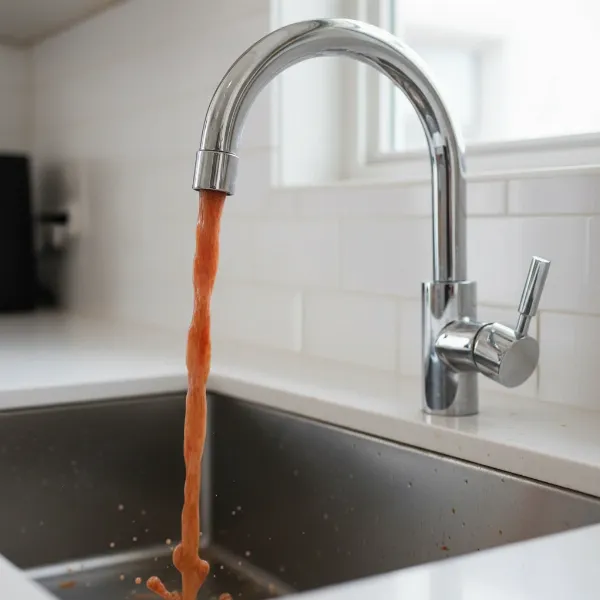 A stream of rusty, discolored hot water flowing from a kitchen faucet due to water heater corrosion.
Decreased Hot Water Supply or Efficiency
A failing anode rod allows the tank to corrode, which can lead to sediment accumulation. This buildup reduces the tank’s efficiency, as it creates an insulating layer that forces the heating elements to work harder and longer. This can result in a noticeable decrease in your hot water supply or a less efficient heating process, leading to higher energy bills.
Step-by-Step Guide: How to Check Your Water Heater Anode Rod
Checking your anode rod is a proactive maintenance task that can prevent major issues. While it might seem daunting, it’s a straightforward process when approached systematically.
Safety First: Power and Water Shut-off
Before starting any work on your water heater, safety is paramount. First, turn off the power supply to the unit. For electric water heaters, this means flipping the corresponding breaker in your electrical panel. For gas water heaters, turn the gas valve to the “off” position. Next, shut off the cold water supply valve leading into the water heater. This prevents water from entering the tank during the process.
Draining a Portion of the Water Heater Tank
You don’t need to completely drain the tank, but lowering the water level is crucial. Connect a garden hose to the drain valve at the bottom of your water heater and route the other end to a floor drain or outside. Open a hot water faucet in a nearby sink to break the vacuum and then open the drain valve. Drain approximately 2 to 5 gallons of water, or until the water level is below the top of the tank where the anode rod is located. The remaining water weight helps stabilize the tank when you loosen the rod.
Locating and Accessing the Anode Rod
The anode rod is typically located on the top of your water heater. It’s often hidden under a plastic cap or a layer of insulation, especially on newer models. Use a flat-blade screwdriver to carefully pry off the cap or remove any insulation to expose the hex head of the anode rod. Most anode rods use a standard 1 1/16-inch hex head, making the necessary socket size universal across many brands.
Inspecting the Anode Rod’s Condition
With the hex head exposed, use a ratchet wrench and a 1 1/16-inch socket to carefully unscrew the anode rod by turning it counterclockwise. The rod may be tightly seized due to corrosion, so you might need a breaker bar or a “cheater pipe” for added leverage. Once loose, gently pull the anode rod out of the tank for inspection. Look for signs of wear: if the rod is heavily corroded, significantly thinned, or if more than 6 inches of the core wire is exposed, it’s time for a replacement.
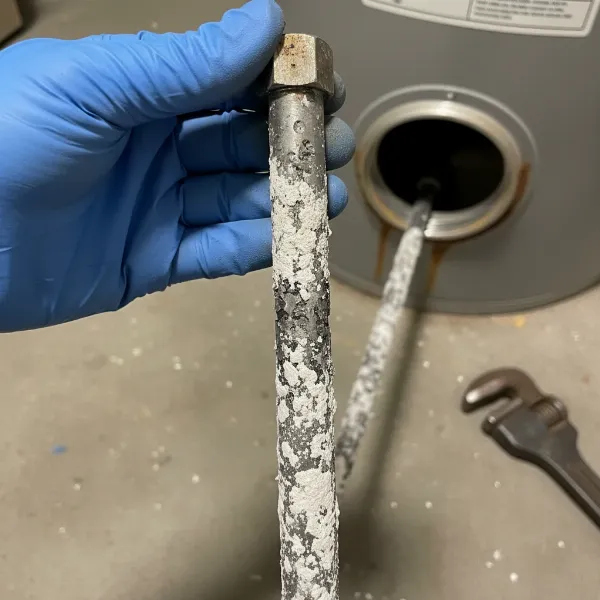 A close-up view of a hand inspecting a partially removed anode rod from a water heater for wear.
Step-by-Step Guide: How to Replace Your Water Heater Anode Rod
Replacing a worn anode rod is a critical step in preserving your water heater. Follow these steps carefully to ensure a proper and leak-free installation.
Choosing the Right Replacement Anode Rod
Selecting the correct replacement anode rod is vital. There are several types, each suited for different water conditions. Magnesium rods are highly reactive and offer excellent overall protection, making them a common choice. Aluminum rods are often recommended for hard water. If you experience a “rotten egg” smell, an aluminum-zinc alloy rod is often effective as zinc helps neutralize sulfur-reducing bacteria. For a long-term, maintenance-free solution, powered anode rods use an electrical current to provide continuous protection without needing to be replaced. Ensure the new rod matches the length and thread size of your old one. If overhead clearance is an issue, consider a flexible or segmented anode rod.
Preparing for Replacement
Gather all your tools before you begin. You’ll need a 1 1/16-inch deep socket, a ratchet wrench (and potentially a breaker bar or cheater pipe), Teflon tape or pipe thread sealant (pipe dope), a new anode rod, and a bucket or towels for any residual water. Having these ready will make the process smoother and more efficient.
Removing the Old Anode Rod
With the water partially drained and the old anode rod exposed, attach your 1 1/16-inch socket to the hex head. Turn counterclockwise with firm, steady pressure. If the rod is seized, a breaker bar or impact wrench can provide the necessary torque. Be mindful of the tank’s movement; having a helper to hold it steady can be beneficial. Once the threads break free, carefully unscrew and lift the old rod out. Be cautious as the rod might be hot and will drip water. Inspect the old rod to confirm its worn condition.
Installing the New Anode Rod
Before installing the new rod, wrap its threads with Teflon tape (plumber’s tape) or apply pipe thread sealant. This helps create a watertight seal and prevents future leaks. Carefully insert the new anode rod into the tank opening. Ensure it threads in smoothly without cross-threading. Tighten it securely with your ratchet wrench. Avoid over-tightening, but ensure it’s snug enough to prevent leaks. If using a segmented or flexible rod, feed it in sections or by bending it as designed.
Refilling the Tank and Restoring Power
Once the new anode rod is securely in place, close the water heater’s drain valve. Then, slowly open the cold water supply valve to refill the tank. As the tank fills, keep a hot water faucet open in your house until water flows steadily and all air has been purged from the lines. This prevents air pockets, which can damage heating elements. Check for any leaks around the new anode rod installation. Once the tank is full and there are no leaks, you can restore power (or turn on the gas supply) to your water heater.
How Often Should You Check and Replace Your Anode Rod?
The lifespan of an anode rod is not uniform, but general guidelines exist to help you maintain your water heater effectively.
General Guidelines
It’s generally recommended to check your water heater’s anode rod annually as part of routine maintenance. For replacement, a common timeframe is every 3 to 5 years. However, this is a general estimate, and the actual frequency can vary based on several factors. Proactive checking allows you to assess its condition and replace it only when necessary, rather than waiting for problems to arise.
Factors Influencing Lifespan
Several factors can significantly impact how quickly your anode rod corrodes. Water quality is a primary determinant; hard water with high mineral content, or water with certain chemical treatments (like water softeners), can accelerate the rod’s degradation. Water with high levels of sulfates can also cause the “rotten egg” smell. The volume of hot water usage in your household also plays a role; a busy family of six will deplete an anode rod faster than a single individual. Finally, the material of the anode rod itself (magnesium, aluminum, or zinc) will affect its lifespan and effectiveness in specific water conditions.
Types of Anode Rods and Which One is Right for You
Choosing the right anode rod can optimize your water heater’s performance and address specific water quality issues.
Magnesium Anode Rods
Magnesium anode rods are the most common type and generally offer the best all-around corrosion protection. They are highly reactive, meaning they readily sacrifice themselves to protect the steel tank. Magnesium rods are an excellent choice for most water conditions, particularly in areas with softer water. However, in some instances, especially with certain well water conditions or high sulfur content, magnesium rods can react with bacteria to produce the characteristic “rotten egg” smell in hot water.
Aluminum Anode Rods
Aluminum anode rods are often recommended for areas with hard water. They tend to degrade slower than magnesium rods, offering a longer lifespan in challenging water conditions. While effective at corrosion prevention, aluminum rods can sometimes produce a gelatinous substance that may clog plumbing fixtures or accumulate at the bottom of the tank. Like magnesium, they can also contribute to the “rotten egg” smell if specific bacteria are present in the water.
Zinc Anode Rods (Magnesium/Aluminum-Zinc)
True zinc anode rods are rare; most are actually aluminum-zinc alloys. These rods are specifically designed to combat the unpleasant “rotten egg” smell caused by sulfur-reducing bacteria reacting with other anode materials. The small percentage of zinc in the alloy helps to neutralize these bacteria, making them the preferred choice if odor is your primary concern. They still provide good corrosion protection, making them a dual-purpose solution for both tank longevity and water quality.
Powered Anode Rods
Powered anode rods represent a modern alternative to traditional sacrificial rods. Instead of relying on a physical metal to corrode, they use a small, continuous electrical current to create a protective field within the water heater tank. Made typically from titanium, these rods are extremely long-lasting, often for the life of the water heater, and do not degrade. They are highly effective in all water conditions, including those that cause the “rotten egg” smell, making them an excellent choice for homeowners seeking a maintenance-free and odor-eliminating solution, despite a higher initial investment.
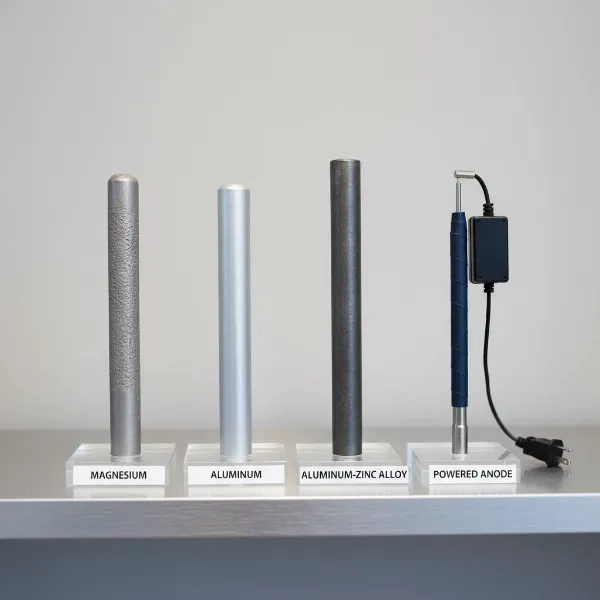 A collection of various water heater anode rods, including magnesium, aluminum, aluminum-zinc, and powered types.
Troubleshooting Common Anode Rod Issues
Even with careful maintenance, you might encounter specific challenges related to your anode rod. Knowing how to troubleshoot these can save time and frustration.
“Rotten Egg” Smell
If your hot water smells like rotten eggs, it’s almost always due to hydrogen sulfide gas. This gas is produced when sulfur-reducing bacteria, often found in well water or municipal water with high sulfur content, react with a magnesium or aluminum anode rod. The most effective solutions include replacing the magnesium or aluminum rod with a zinc-aluminum alloy rod, which helps neutralize the bacteria, or installing a powered anode rod, which eliminates the sacrificial process entirely. Flushing and disinfecting the water heater tank can also help reduce the bacterial population.
Difficulty Removing the Old Rod
A common challenge DIYers face is a severely seized anode rod, often due to corrosion over years of use. If your ratchet wrench with a standard handle isn’t enough, try adding a “cheater pipe” over the handle for increased leverage. An impact wrench, especially a heavy-duty one, is often the most effective tool for loosening stubborn rods. Applying penetrating oil to the hex head and letting it sit for a while can also help break down the corrosion. In extreme cases, professional assistance may be required to avoid damaging the tank.
Leaks After Replacement
If you notice leaks around the anode rod connection after replacement, it typically indicates an issue with the seal. The most common causes are insufficient Teflon tape or pipe thread sealant on the new rod’s threads, or not tightening the rod adequately. Ensure you apply 3-5 wraps of Teflon tape in a clockwise direction (or pipe dope) and tighten the rod firmly, but without overtightening, which can strip the threads. If the leak persists, re-check the threads for any damage on either the rod or the tank opening, and ensure the rod is seated correctly.
Conclusion
Taking the time to check and replace your water heater’s anode rod is a small effort that yields significant rewards. This vital component acts as the guardian of your hot water tank, diligently sacrificing itself to fend off corrosive elements. By understanding its purpose, recognizing the signs of wear, and confidently performing the DIY replacement, you’re not just swapping a metal rod—you’re extending the life of your water heater, preserving your investment, and ensuring a reliable supply of clean, hot water for years to come. Don’t let a tiny component lead to a huge headache.
What small maintenance tasks do you prioritize to keep your home running smoothly?
Frequently Asked Questions
What tools do I need to replace an anode rod?
To replace an anode rod, you’ll typically need a 1 1/16-inch deep socket, a sturdy ratchet wrench, a breaker bar or “cheater pipe” for leverage, Teflon tape or pipe thread sealant, and a garden hose to partially drain the tank. A bucket and towels are also handy for any drips.
Can I replace an anode rod without draining the entire tank?
Yes, you only need to drain enough water to bring the level below the anode rod’s opening, typically 2 to 5 gallons. The remaining water weight helps stabilize the tank, making it easier to loosen the old rod without the water heater shifting.
What happens if I don’t replace my anode rod?
If you don’t replace your anode rod, it will eventually completely corrode away, leaving the steel lining of your water heater tank exposed to rust. This will lead to internal tank corrosion, often resulting in leaks and premature failure of the entire water heater unit.
How do I know what type of anode rod my water heater uses?
Many manufacturers install magnesium rods as standard. If you experience a “rotten egg” smell, you likely have a magnesium rod. Check your Water Heater’s manual or consult the manufacturer’s website for specifics. Alternatively, you can remove and inspect the existing rod to determine its material.
Is replacing an anode rod a difficult DIY project?
Replacing an anode rod is generally considered a moderate DIY project. The most challenging aspect can be loosening a seized old rod, which might require extra leverage or specialized tools like an impact wrench. With proper preparation and tools, it’s a manageable task for most handy homeowners.