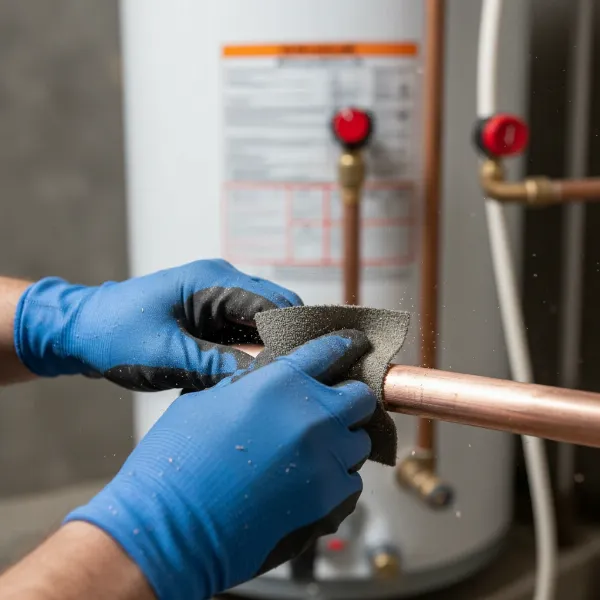
Imagine returning home to a flooded basement or utility room, the devastating aftermath of a silent water heater leak. It’s a homeowner’s nightmare, leading to extensive property damage, costly repairs, and the potential for hazardous mold growth. But what if there was a simple, yet incredibly effective, safeguard designed to intercept this threat before it turns into a disaster? Enter the water heater pan, an often-overlooked hero in home flood prevention.
A water heater pan is more than just a tray; it’s a critical component in protecting your home from the unpredictable nature of water heater failures. Whether it’s a slow drip from a faulty valve, a build-up of condensation, or a catastrophic tank burst, these unassuming pans are engineered to catch and divert water, sparing your floors, walls, and cherished belongings from ruin. This comprehensive guide will navigate you through the world of water heater pans, helping you understand their vital role, explore different types, guide your selection process, and ensure proper installation and maintenance for ultimate peace of mind.
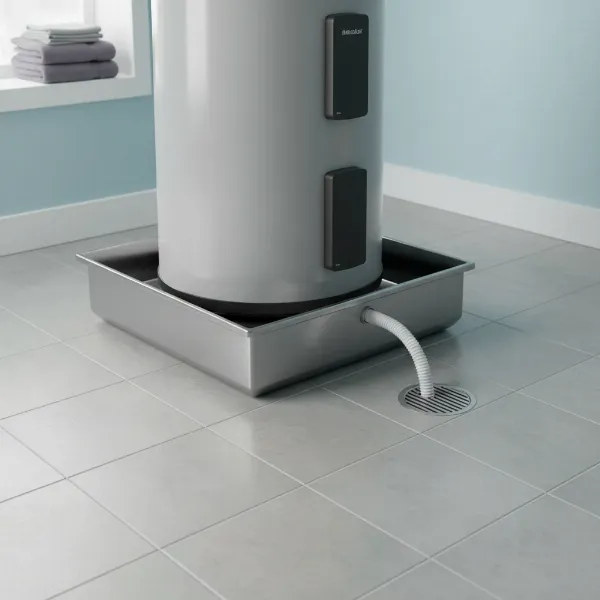 A water heater sitting securely within a protective pan, ready to prevent water damage.
Why a Water Heater Pan is Indispensable
Water heaters, while essential for daily comfort, are not immortal. Over time, factors like sediment buildup, corrosion, and pressure fluctuations can lead to leaks, ranging from minor seepage to a full-blown tank rupture. Without adequate protection, a leaking water heater can cause thousands of dollars in damage, not to mention the headaches of dealing with insurance claims and repairs.
- Protection Against Leaks and Overflows: A pan acts as the first line of defense, collecting any water that escapes the unit. For slow leaks or condensation, it holds the water until it can evaporate or be drained away. For larger leaks or overflows, a properly connected drain line channels the water away from your living space.
- Preventing Costly Water Damage and Mold: Water damage can quickly compromise structural integrity, ruin flooring, damage drywall, and destroy personal property. Beyond the visible damage, stagnant water creates an ideal breeding ground for mold, posing significant health risks and requiring specialized remediation. A water heater pan directly mitigates these expensive and dangerous outcomes.
- Building Code Requirements: In many areas, installing a water heater pan is not just a recommendation—it’s the law. Building codes, such as the International Plumbing Code (IPC), often mandate the use of drain pans for water heaters situated in locations where leaks could cause damage, including attics, upper floors, and finished interior spaces. Adhering to these codes ensures safety and compliance, which is crucial for home inspections and insurance.
Types of Water Heater Pans Explained
When selecting a water heater pan, understanding the available types and their respective materials is key. The two primary categories are metal and plastic/rubber, each with distinct advantages and considerations.
Metal Water Heater Pans
Metal pans are a traditional and highly reliable choice, offering robust protection for various water heater setups.
- Materials: These pans are commonly made from stainless steel, galvanized steel, or aluminum. Stainless steel is highly corrosion-resistant, making it a premium choice, while galvanized steel offers good durability at a more accessible price point. Aluminum is lighter but can be more prone to denting if not of high quality.
- Pros:
- Strength and Durability: Metal pans, particularly those made of steel, are incredibly strong and designed to last for many years. They resist cracking under temperature changes, a common issue with cheaply made plastic alternatives.
- Heat Resistance: Metal pans are highly resistant to heat, making them the only code-compliant option for gas-fired water heaters. Plastic pans are prohibited under gas heaters due to the potential for heat damage and fire risk.
- Odorless: Unlike some rubber options, metal pans do not emit any odor.
- Professional Appearance: A well-made metal pan can offer a sleek, professional look that blends seamlessly with the surrounding environment, especially in visible utility areas.
- Cons:
- Denting Potential: Lower-quality aluminum pans can be susceptible to dents, which may compromise their integrity. High-quality steel pans, however, are very rigid.
- Heat Conduction: Metal is a thermal conductor, meaning it can draw heat away from the bottom of your water heater, potentially leading to slight energy loss. This can be mitigated by placing an insulation blanket between the water heater and the pan.
- Cost: Metal pans, especially stainless steel, tend to be more expensive than plastic or rubber options.
- When to Choose: Metal pans are indispensable for gas water heaters to meet safety codes. They are also ideal for homeowners prioritizing maximum durability, a professional aesthetic, and peace of mind against long-term wear and tear.
|
Our Picks for the Best Water Heater in 2026
As an Amazon Associate I earn from qualifying purchases.
|
||
| Num | Product | Action |
|---|---|---|
| 1 | Amazon Basics Electric Kettle with Glass Carafe for Tea and Coffee, BPA-Free, Fast Boiling, Auto Shut-Off, 1.7 Liter, 1500W, Black and Silver |

|
| 2 | Portable Water Heater 2000W, Pool Heater - Immersion Heater with Digital Thermometer, Upgraded Magnesium Oxide Heating for Fast Heating, for Small Pools, Bathtubs, Buckets, Tanks |
|
| 3 | Chefman Electric Kettle, 1.8L 1500W, Hot Water Boiler, Removable Lid for Easy Cleaning, Auto Shut Off, Boil-Dry Protection, Stainless Steel Filter, BPA Free, Borosilicate Glass Electric Tea Kettle |
|
| 4 | Amazon Basics Electric Kettle with Glass Carafe for Tea and Coffee, BPA-Free, Fast Boiling, Auto Shut-Off, 1 Liter, 1500W, Glass and Steel |
|
| 5 | Zojirushi Micom Water Boiler and Warmer (135 oz. / 4L, Silver) |
|
| 6 | OVENTE Electric Kettle, 1.7L Fast Boiling Water Heater for Coffee or Tea, BPA Free with Water Level Gauge, Auto Shut-Off, Boil-Dry Protection, Indicator Light and Removable Filter, White KP72W |
|
| 7 | Immersion Water Heater Electric, 2000W Portable Water Heater with 304 S S Guard & LCD Thermometer, Fast Heating Bucket Heater, Ideal for Small Bucket Bathtub, Small Pool, Home Camping Outdoor Use |
|
| 8 | Portable Immersion Water Heater 1800W 120V, Electric Heater for Buckets, Bathtubs and Mini Pools, Submersible Design with Thermostat, Real Time Temperature Display and Dry Burn Protection |
|
| 9 | Amazon Basics Electric Stainless Steel Kettle for Tea and Coffee, BPA-Free, Fast Boiling, Auto Shut-Off, 1.7 Liter, 1500W, Black and Silver |
|
| 10 | Cosori Electric Kettle, No Plastic Contact With Water, Wide Mouth For Easy Cleaning, Auto Shut Off, 1.7L Tea Kettle & Hot Water Boiler, Water Heater & Teapot, Borosilicate Glass, Black, 1500W |
|
Plastic/Rubber Water Heater Pans
Newer to the market, plastic and rubber pans offer a cost-effective and often energy-efficient alternative, primarily suited for electric water heaters.
- Materials: These pans are typically constructed from high-impact plastic or durable natural rubber.
- Pros:
- Cost-Effective: Generally less expensive than their metal counterparts, offering a budget-friendly solution for leak protection.
- Lightweight: Easier to handle and install due to their lighter weight compared to metal pans.
- Insulative Properties (Rubber): Natural rubber pans offer excellent insulation, preventing heat loss from the bottom of your water heater to the cold floor. This can lead to energy savings, especially for older water heaters with lower R-values.
- Durability (Rubber): High-quality rubber pans are surprisingly tough and resilient, capable of withstanding significant impact without damage, unlike cheaper plastic pans that can crack.
- Cons:
- Not for Gas Water Heaters: Crucially, plastic pans are prohibited for use under gas-fired water heaters due to heat concerns. Rubber pans, while more heat-resistant than basic plastic, are generally recommended for electric units.
- Cracking Potential (Cheap Plastic): Low-quality plastic pans can become brittle over time and crack, especially with temperature fluctuations, compromising their protective function.
- Odor (Rubber): Natural rubber pans may initially have a distinct rubbery smell, though this typically fades over time.
- Appearance: While functional, their black color might be more noticeable than some metal options, which could be a factor in highly visible installations.
- When to Choose: Plastic or rubber pans are an excellent choice for electric water heaters, especially when budget is a primary concern or when seeking the added energy efficiency benefits of a rubber pan’s insulation.
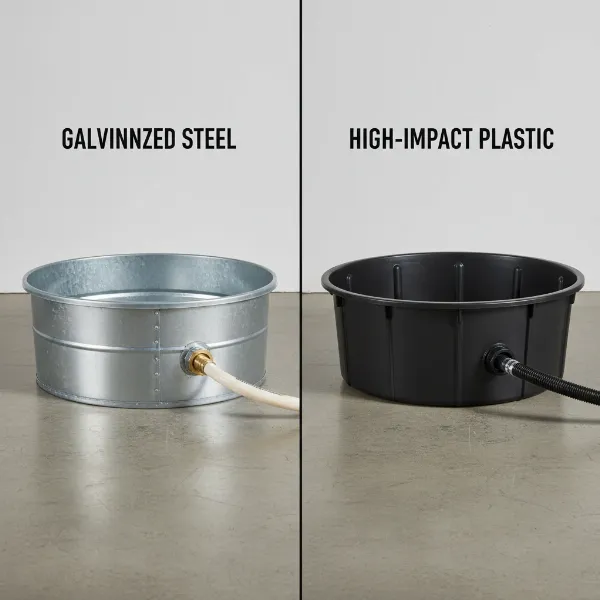 Two distinct water heater pans side-by-side: one metal, one plastic, showcasing their material differences.
Comparison Table: Metal vs. Plastic/Rubber Water Heater Pans
To help you make an informed decision, here’s a quick comparison of the key features:
| Feature | Metal Water Heater Pans | Plastic/Rubber Water Heater Pans |
|---|---|---|
| Material Options | Stainless Steel, Galvanized Steel, Aluminum | High-Impact Plastic, Natural Rubber |
| Durability | High (especially steel), resistant to cracking | Variable (rubber high, cheap plastic low), can crack |
| Heat Resistance | Excellent, mandatory for gas heaters | Limited (plastic), generally not for gas heaters |
| Cost | Moderate to High | Low to Moderate |
| Insulation Properties | Low (conducts heat), can be mitigated with insulation | High (rubber), helps prevent heat loss |
| Gas Heater Compatible | Yes (required) | No (plastic), generally not recommended (rubber) |
| Odor | Odorless | May have initial rubbery smell (fades) |
| Appearance | Professional, can blend seamlessly | More noticeable (typically black) |
Choosing the Right Water Heater Pan: A Buying Guide
Selecting the best water heater pan involves more than just picking the cheapest option. It requires a thoughtful assessment of your specific needs, your water heater type, and local regulations.
Consider Your Water Heater Type
This is arguably the most critical factor.
- Gas Water Heaters: Due to the heat generated by gas units, only metal pans (galvanized steel, stainless steel, or aluminum) are permissible and safe. Plastic pans pose a fire risk and are universally prohibited by code.
- Electric Water Heaters: Both metal and high-quality plastic or rubber pans are suitable for electric water heaters. Here, your choice can be driven by budget, aesthetic preference, or a desire for the insulating benefits of rubber.
Measure for the Right Size
The pan must be large enough to effectively catch all leaks.
- Diameter/Footprint: As a general rule, the water heater pan should be at least 2 inches wider in diameter than your water heater unit to ensure ample coverage and clearance. Measure the base of your water heater to determine the minimum pan size needed.
- Space Availability: Also, consider the space where the water heater is located. Ensure there’s enough room to easily slide the pan into place and connect the drain line.
Check Depth and Drain Outlet
These specifications are crucial for effective water containment and drainage.
- Pan Depth: Most building codes, including the International Plumbing Code, stipulate that a water heater pan must be at least 1.5 inches (38 mm) deep. This depth is essential for containing a significant amount of water in the event of a leak. Some pans offer deeper options, providing an extra margin of safety.
- Drain Outlet Diameter: The drain connection on the pan should typically be not less than 3/4 inch (19 mm) in diameter to allow for efficient drainage. Ensure the pan comes with, or is compatible with, the appropriate PVC or CPVC drain fittings.
Understand Building Codes
Local plumbing and building codes vary, but they often dictate specific requirements for water heater pan installation.
- Required Locations: Pans are usually mandatory for water heaters installed in attics, second-story closets, utility rooms on upper floors, or any location where a leak could cause damage to finished areas.
- Material Restrictions: Reiterate that plastic pans are prohibited under gas water heaters.
- Drain Termination: Codes specify how the pan’s drain line must terminate – typically to an indirect waste receptor (like a floor drain or utility sink) or to the exterior of the building, usually between 6 and 24 inches above ground level. Always consult your local authority or a licensed plumber to ensure compliance.
Look for Quality Features
Investing in a high-quality pan can save you headaches down the line.
- Pre-Drilled Drain Holes: Pans with pre-cut or pre-drilled drain holes simplify installation, ensuring a proper fit for your drain fitting.
- Durable Fittings: Check that the drain fittings are robust and designed for a secure, leak-proof connection to your drain line.
- Manufacturer Warranties: Reputable brands like Killarney Metals often offer warranties, providing assurance of the pan’s craftsmanship and materials.
Water Heater Pan Installation: What You Need to Know
Proper installation is just as critical as choosing the right pan. An incorrectly installed pan can render its protective capabilities useless.
New Installations
If you’re installing a new water heater, it’s the ideal time to place the pan.
- Placement and Leveling: The pan should be placed directly beneath the water heater on a stable, level surface. Ensure there’s adequate working space around the water heater for future maintenance, typically 30×30 inches in front of the control side.
- Drain Line Connection: Once the pan is in position, install the drain fitting into the pre-drilled hole and connect it to a dedicated drain pipe (PVC or CPVC). Use appropriate pipe glue and ensure all connections are watertight.
- Wall Mounting (for Tankless): For tankless water heaters, wall-mounted pans are common. These are typically secured to wall studs using screws and pre-drilled mounting holes.
Installing Under Existing Water Heaters
Installing a pan under an already installed water heater can be more challenging but is often feasible.
- Draining and Lifting: The most common method involves draining the water heater completely and carefully lifting it to slide the pan underneath. This often requires the assistance of another person and specialized equipment like a jack or straps, especially for larger units. Ensure flexible water supply lines if you plan to move the tank slightly.
- Split Pans: In some situations, where lifting the water heater is not practical, a “split” or two-piece pan can be used. These pans are designed to be assembled around the base of the water heater, with the seams sealed using silicone or adhesive. While a viable workaround, ensuring a completely watertight seal at the seams is paramount.
- Professional Help: If you’re unsure or uncomfortable with the process, always consider hiring a licensed plumber. They have the expertise and tools to safely install a pan without damaging your water heater or plumbing.
Drain Line Routing
The path of your drain line is crucial for diverting water effectively.
- Indirect Waste Receptor: The pan’s drain line should terminate over an indirect waste receptor, such as a floor drain, utility sink, or condensate pump. This prevents any potential backflow contamination into your potable water system.
- Exterior Termination: Alternatively, the drain line can be routed to the exterior of your home, terminating between 6 and 24 inches above the adjacent ground surface. Ensure the termination point is clear of obstructions and directs water away from your foundation.
Prohibited Connections
It’s vital to note that the discharge from a water heater’s temperature and pressure (T&P) relief valve must not be directed into the water heater pan. The T&P relief valve has its own dedicated discharge pipe designed to release excess pressure or temperature directly to an approved drain or outside, separate from the pan drain.
Maintaining Your Water Heater Pan
While often out of sight, your water heater pan still benefits from occasional checks to ensure it remains ready for action.
- Regular Inspections: Periodically inspect the pan for any signs of cracks, dents, or corrosion, especially in plastic or older metal pans. Check the drain line for blockages from debris or sediment.
- Cleaning: If you notice any accumulated water or debris in the pan, clean it out to prevent stagnant water issues and ensure the drain hole remains clear.
- Ensuring a Clear Drain Line: Test the drain line occasionally by pouring a small amount of water into the pan (ensure your water heater is safely elevated or removed first if performing a thorough test, or simply observe water flowing through the drain if a leak occurs). Confirm that the water flows freely to its intended termination point.
“A simple pan and drain line can be the difference between a minor inconvenience and thousands of dollars in water damage. It’s an investment that truly pays for itself when you need it most.” – John Smith, Master Plumber with 20+ Years of Experience.
Conclusion
A water heater pan is a small investment that offers monumental protection for your home. By acting as a crucial barrier against unexpected leaks and catastrophic failures, these pans safeguard your property from costly water damage, unsightly mold, and the disruption of a flood. Whether you opt for the robust reliability of a metal pan for your gas water heater or the insulating efficiency of a rubber pan for an electric unit, making an informed choice and ensuring proper installation are paramount. Don’t wait for a disaster to discover the importance of this essential flood prevention device. Protect your home and your peace of mind—invest in the right water heater pan today.
What steps will you take to secure your home against potential water heater leaks?
Frequently Asked Questions
Are water heater pans required by code?
Yes, in many jurisdictions, water heater pans are required by building codes, especially if the water heater is located in an attic, on an upper floor, or in any finished living space where a leak could cause damage. Always check your local plumbing codes for specific mandates.
Can I use a plastic pan under a gas water heater?
No, plastic water heater pans are generally prohibited under gas-fired water heaters by most building codes. The heat generated by gas appliances can melt or degrade plastic, creating a fire hazard and compromising the pan’s integrity. Metal pans are required for gas units.
How often should I check my water heater pan?
It’s recommended to visually inspect your water heater pan and its drain line at least once a year, or more frequently if your water heater is older. Look for cracks, dents, corrosion, or any blockages in the drain opening to ensure it’s ready to function properly.
What size water heater pan do I need?
You should choose a water heater pan that is at least 2 inches larger in diameter than the base of your Water Heater. This ensures sufficient space to collect any drips or leaks effectively, providing comprehensive protection for your surrounding floor.
What is the difference between a drip pan and a drain pan?
While often used interchangeably, “drip pan” typically refers to a pan designed to catch minor leaks or condensation, which may or may not have a drain connection. A “drain pan,” however, always includes a connection for a drain line, enabling it to actively divert larger volumes of water away from the area.