Let’s be honest, nobody thinks about their water heater until that dreaded moment: a freezing cold shower on a Monday morning. It’s the unsung hero of our homes, working silently in a closet or basement. But when it fails, it’s an emergency. Finding the Best Water Heater Brand can feel overwhelming with all the technical jargon and competing claims. As someone who has seen countless water heaters in every state of repair and disrepair, I’m here to cut through the noise and guide you.
This isn’t just a list of names. This is your comprehensive roadmap to understanding what makes a water heater great, and more importantly, how to choose the perfect one for your home.
First, What Are the Main Types of Water Heaters?
Before you can even think about a brand, you need to know what you’re shopping for. The “best” technology for a small apartment is completely different from what a family of five needs.
Storage Tank Water Heaters
This is the classic, most common type you’ll find in North American homes. It’s essentially a big, insulated tank that heats and stores a ready supply of hot water (typically 40-80 gallons).
- Pros: Lower upfront cost, simpler technology, relatively easy to install.
- Cons: Can run out of hot water if demand is high, takes up more space, suffers from “standby heat loss” (loses heat even when you’re not using it).
Tankless (On-Demand) Water Heaters
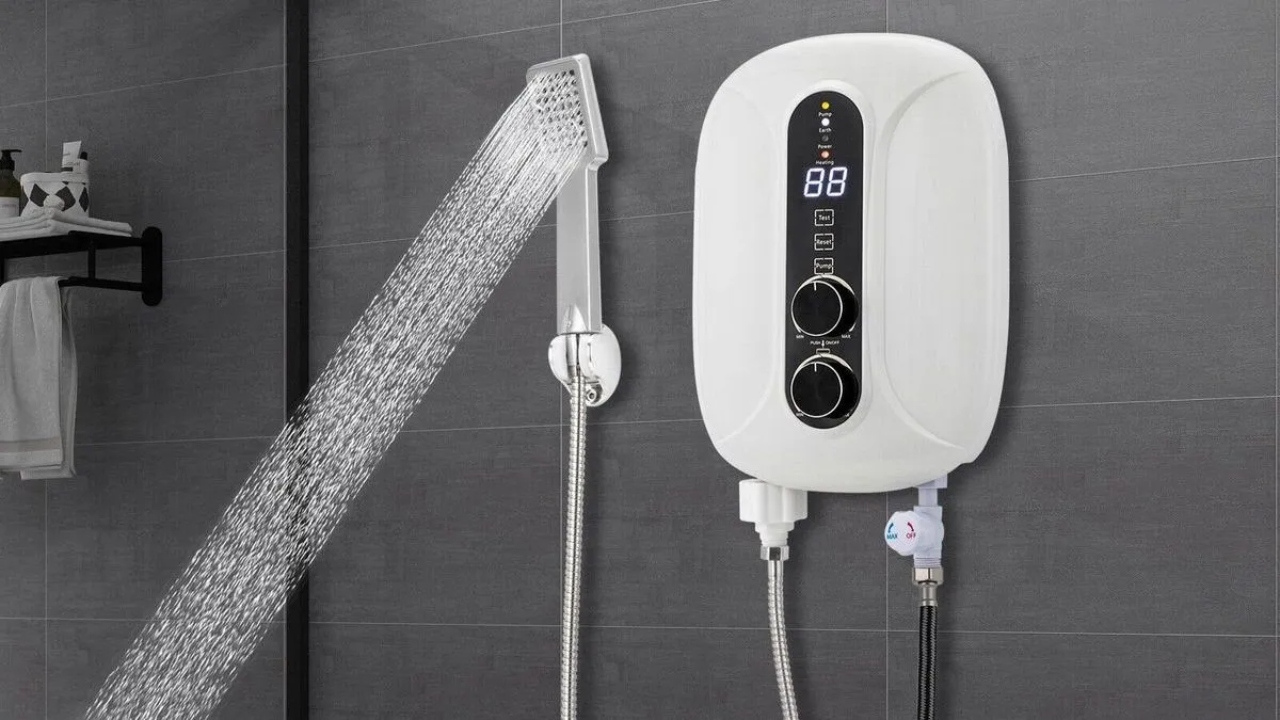
These are the new kids on the block, gaining massive popularity. Instead of storing hot water, they heat it instantly as it flows through the unit.
- Pros: Endless hot water, significantly more energy-efficient, compact size saves space.
- Cons: Higher initial investment, may require upgrades to your gas line or electrical panel, can experience a “cold water sandwich” effect in some older models.
Heat Pump (Hybrid) Water Heaters
These are the most energy-efficient option. A heat pump water heater doesn’t create heat directly; it pulls heat from the surrounding air and transfers it to the water in the tank. Think of it as a refrigerator working in reverse.
- Pros: Incredible energy savings (often 60% or more over standard electric models), eligible for tax credits and rebates.
- Cons: Highest upfront cost, needs more clearance for airflow (at least 7 feet of vertical space and 1,000 cubic feet of air), and operates a bit slower in colder climates.
Here is a quick comparison to help you visualize the differences:
| Feature | Storage Tank Heater | Tankless Heater |
|---|---|---|
| Upfront Cost | $ | $$$ |
| Operating Cost | $$$ | $$ |
| Hot Water Supply | Limited to tank size | Unlimited |
| Lifespan | 10-15 years | 20+ years |
| Space Required | Large | Compact |
| Energy Efficiency | Lower | High |
What Factors Define the Best Water Heater Brand For You?
Choosing the best water heater brand is less about a single name and more about finding the brand that excels in the areas that matter most to you. Here’s what you need to weigh.
Fuel Type: Gas vs. Electric
Your home’s existing infrastructure is the biggest deciding factor here.
- Natural Gas: Generally cheaper to operate than electricity. Gas models heat water faster than their electric counterparts. However, they require proper ventilation for safety.
- Electric: Can be installed almost anywhere since they don’t need venting. They are often cheaper to purchase upfront but can have higher monthly operating costs depending on your local electricity rates.
Capacity and Flow Rate
This is all about matching the heater’s output to your family’s needs.
- For storage tank heaters, look at the First Hour Rating (FHR). This tells you how many gallons of hot water the heater can produce in one hour of high use. A family of four typically needs a heater with an FHR of 65-85 gallons.
- For tankless heaters, you need to know the Gallons Per Minute (GPM). To figure this out, add up the GPM of the fixtures you might use simultaneously. For example, a shower (2.0 GPM) and a dishwasher (1.5 GPM) running at the same time require a unit that can provide at least 3.5 GPM.
Energy Efficiency (Your Wallet Will Thank You)
Efficiency is measured by the Uniform Energy Factor (UEF). The higher the UEF number, the more efficient the water heater. A high-efficiency unit might cost more initially, but it will save you significant money on your utility bills over its lifespan.
Pro Tip: Always look for the ENERGY STAR label. These certified models are independently verified to save energy, money, and protect the environment. Finding an ENERGY STAR certified model from a reputable water heater brand is a winning combination.
Warranty and Customer Support
I’ve seen it a hundred times: a great product with terrible support is a nightmare. A good warranty is a brand’s vote of confidence in its own product.
- Look for warranties that are at least 6 years for parts and the tank.
- Premium models often offer 10 or 12-year warranties. A longer warranty is almost always worth the small extra cost.
- Research the brand’s reputation for customer service. When a leak happens at 10 PM, you want a company that’s easy to reach.
A Glimpse at Top-Rated Water Heater Brands
While the “best” is subjective, some brands have consistently earned a reputation for quality, reliability, and innovation.
- Rheem & Ruud: These are sister companies and giants in the industry. They offer a massive range of products for every budget and fuel type, from basic builder-grade models to high-tech tankless and hybrid units. They are known for their wide availability of parts.
- A.O. Smith: Another industry leader with a long history of quality. They are often praised for their durable designs and innovative features, particularly in their gas and high-efficiency lines.
- Bradford White: This brand is a favorite among professional plumbers. They are known for building robust, long-lasting units and are primarily sold through professional wholesale channels, meaning they are built for professional installation.
- Navien & Rinnai: When it comes to the tankless market, these are two of the most dominant and respected names. They are pioneers in condensing tankless technology, offering some of the most efficient and reliable on-demand heaters available.
As my friend John Carter, a master plumber with 20 years of experience, always says: “I can install a heater from any top brand and make it work well. The best water heater brand is the one that has the right model for the customer’s home and budget, and one that I know I can get parts for easily in five years.”
Basic Installation and Maintenance Guide
Proper installation and regular maintenance are crucial for safety, efficiency, and longevity, regardless of the brand you choose.
Installation Basics
While a seasoned DIYer might tackle an electric tank replacement, I strongly advise professional installation, especially for gas units.
- Safety First: Turn off the water, gas, and electricity to the old unit.
- Drain the Tank: Connect a hose to the drain valve and empty the tank completely.
- Disconnect: Carefully disconnect the water, gas/electric, and vent lines.
- Remove and Replace: Move the old unit out and position the new one. This often requires two people.
- Connect New Unit: Reconnect all lines according to the manufacturer’s instructions. This includes installing a new temperature and pressure (T&P) relief valve.
- Check for Leaks: Slowly turn the water back on and fill the tank. Thoroughly check all connections for any drips before turning on the power or gas.
Essential Maintenance
A little TLC goes a long way.
- Flush the Tank Annually: This removes sediment buildup that can cause corrosion, reduce efficiency, and make strange rumbling noises.
- Check the Anode Rod: Every 2-3 years, inspect the anode rod. This “sacrificial” rod is designed to corrode instead of your tank. If it’s mostly eaten away, replace it. It’s a cheap part that can add years to your heater’s life.
- Test the T&P Valve: Annually, test the temperature and pressure relief valve to ensure it hasn’t seized up.
Signs You Need to Repair or Replace Your Water Heater
Knowing when to call it quits can save you from a catastrophic, floor-flooding leak.
- Age: If your tank heater is over 10 years old, it’s living on borrowed time. Start budgeting for a replacement.
- Rusty Water: If you only get rusty or discolored water when you turn on the hot tap, it’s a sign the inside of your tank is corroding.
- Rumbling Noises: Loud pops or rumbling sounds often mean there’s a heavy layer of hardened sediment at the bottom of the tank.
- Leaks: Any sign of water pooling around the base of the heater is a red alert. Turn off the water and power to the unit immediately and call a professional.
FAQs: Your Top Questions Answered
What is the average lifespan of a water heater?
A conventional storage tank water heater typically lasts 10 to 15 years. A tankless water heater, with proper maintenance, can last 20 years or more. This longevity is a key factor when considering the higher upfront cost of tankless models.
Is a tankless water heater worth the extra cost?
For many households, yes. If you value endless hot water, have a busy family, and plan to stay in your home for many years, the long-term energy savings and convenience often justify the initial investment.
How often should I flush my water heater?
It’s recommended to flush your storage tank water heater at least once a year. If you live in an area with very hard water (high mineral content), you might consider doing it every six months to prevent heavy sediment buildup.
What’s the best water heater brand for hard water?
There isn’t one single brand, but you should look for models with features designed to combat scale buildup. Some brands offer self-cleaning systems or special components that reduce mineral accumulation. For any brand, regular flushing is your best defense against hard water damage.
Can I install a water heater myself?
Replacing an electric tank heater with a similar model can be a DIY project for someone with solid plumbing and electrical skills. However, due to the risks of gas leaks and carbon monoxide poisoning, gas water heater installation should always be left to a licensed professional.
Your Final Decision
The quest for the best water heater brand ends not with a single name, but with an informed choice. By understanding the different types, evaluating your family’s needs, and prioritizing efficiency and a solid warranty, you can confidently select a water heater that will serve you reliably for years to come. Don’t wait for that icy shower—take a look at your current unit today. Know its age, listen for strange noises, and start planning for your next, and best, water heater.