Let’s talk about the unsung hero of your home’s hot water system. It works silently, 24/7, sacrificing itself to protect your expensive investment. Most homeowners don’t even know it exists until it’s too late. I’m talking about the anode rod. If you’ve ever wondered how to extend the life of your tank, this comprehensive Water Heater Anode Rod Replacement Guide is the most important article you’ll read all year. Ignoring this small component is one of the fastest ways to send a perfectly good water heater to the scrap heap, and trust me, I’ve seen it happen more times than I can count.
So, what is this mysterious part, and why does it matter so much? Stick with me, and we’ll break down everything you need to know, turning a potentially intimidating task into a manageable weekend project that could save you thousands.
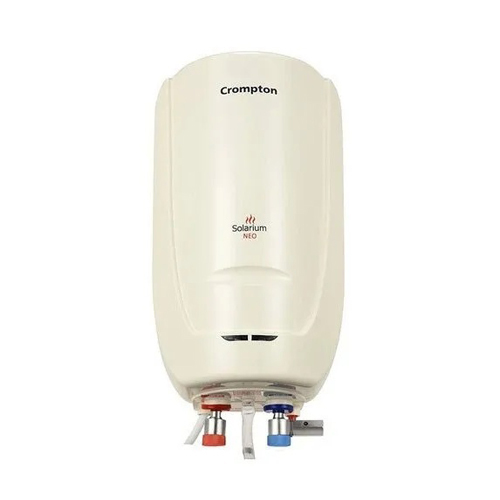
What in the World is a Water Heater Anode Rod?
Think of the anode rod as a bodyguard for your water heater tank. Your tank is typically made of steel, which is highly susceptible to rust and corrosion, especially when constantly filled with water. The anode rod is made of a more reactive, or “less noble,” metal—usually magnesium or aluminum.
Because of basic electrochemistry, corrosive elements in the water will attack the more reactive anode rod first, leaving the steel tank lining alone. It literally sacrifices itself, bit by bit, through a process called galvanic corrosion. This is why it’s often called a “sacrificial anode rod.” Without it, your water heater tank could rust through and start leaking in just a few years.
Why You Absolutely Cannot Ignore Your Anode Rod
Neglecting your anode rod is like never changing the oil in your car. It might run for a while, but a catastrophic failure is inevitable. A simple water heater anode rod replacement is a small price to pay for peace of mind and a much longer-lasting appliance.
Here’s exactly what you gain by keeping this part in good shape:
- Dramatically Extends Tank Life: This is the big one. A new water heater can cost anywhere from $500 to over $2,000 to replace. A new anode rod? Typically under $50. The math is pretty simple.
- Prevents Leaks and Water Damage: Once corrosion eats through the tank wall, you’ve got a leak. A slow drip can cause mold and rot, while a full rupture can flood your basement or utility closet, leading to thousands in damages.
- Improves Water Quality: A completely corroded anode rod can break down and leave bits of rust and sediment in your hot water. If your hot water looks brown or has metallic flakes, a spent anode is a likely culprit.
- Eliminates Smelly Water: Ever turn on the hot tap and get a whiff of rotten eggs? That lovely smell is often caused by sulfur-reducing bacteria reacting with a magnesium anode rod, especially in homes with well water. A different type of anode can solve this problem instantly.
When Should I Perform a Water Heater Anode Rod Replacement?
This is a fantastic question, and the answer isn’t one-size-fits-all. The general rule of thumb is to inspect your anode rod every 2-3 years and plan for a replacement every 3-5 years.
However, the real determining factor is your water quality.
Expert Insight from John Carter, Master Plumber: “I tell all my clients the same thing: your water hardness dictates your maintenance schedule. If you have hard water, that rod is working overtime and might only last two years. If you have soft water, you might get five or even more. The only way to know for sure is to pull it out and look.”
Pay attention to these tell-tale signs that your anode rod is on its last legs:
- Smelly Hot Water: That rotten egg (sulfur) smell is a classic sign.
- Loud Noises: Popping or banging sounds from your water heater can be caused by a buildup of sediment at the bottom of the tank, which is exacerbated when the anode rod is no longer protecting the interior.
- Discolored Water: If only your hot water is rusty or brownish, the inside of your tank is likely corroding.
- Visible Corrosion on the Rod: If you inspect it and it’s pencil-thin, heavily pitted, or coated in calcium deposits, it’s time for a change. A new rod is about the thickness of a thick marker.
Choosing Your Weapon: Magnesium vs. Aluminum vs. Zinc Anode Rods
Not all anode rods are created equal. Choosing the right one depends entirely on your water. This is a crucial step in our water heater anode rod replacement guide.
| Rod Type | Best For | Pros | Cons |
|---|---|---|---|
| Magnesium | Homes with soft water | Provides superior protection. | Can react with bacteria in hard or well water to create a sulfur (“rotten egg”) smell. |
| Aluminum | Homes with hard water | Less reactive, so it lasts longer in hard water. Helps reduce sediment buildup. | Offers slightly less protection than magnesium. Not recommended for those with health concerns about aluminum. |
| Zinc-Aluminum Alloy | Homes with smelly water | The zinc in the alloy kills the sulfur-producing bacteria, eliminating the rotten egg smell. | A specialized solution; only necessary if you have a smell problem. |
For most people on municipal water systems, a magnesium or aluminum rod is the standard choice. If you’re fighting that foul odor, the zinc-aluminum rod is your champion.
Bảng trống.The Step-by-Step Water Heater Anode Rod Replacement Guide
Alright, it’s time to roll up our sleeves. This process might seem daunting, but with the right tools and a little patience, it’s a very achievable DIY project.
Safety Warning: You will be working with water and either electricity or natural gas. Safety is paramount. If you are not comfortable with any of these steps, please call a licensed plumber.
Step 1: Gather Your Tools
Having everything ready will make the job go much smoother. You’ll need:
- A new anode rod (make sure it’s the right type for your water!)
- A 1 1/16-inch socket (this is the most common size, but check your heater)
- A breaker bar or a long-handled ratchet (for leverage)
- A garden hose
- A bucket
- Plumber’s tape (Teflon tape)
- A friend (optional, but very helpful for stubborn rods)
Step 2: Power Down and Shut Off the Water
- For Electric Heaters: Go to your circuit breaker panel and shut off the power to the water heater. Don’t just rely on a switch; flip the breaker to be certain.
- For Gas Heaters: Turn the thermostat knob on the gas control valve to the “PILOT” or “OFF” position.
- For All Heaters: Locate the cold water inlet valve on top of your water heater and turn it clockwise to shut it off.
Step 3: Drain Some Water
You don’t need to drain the whole tank, just enough to relieve the pressure and lower the water level below the top.
- Connect a garden hose to the drain valve at the bottom of the tank.
- Run the other end of the hose to a floor drain or outside.
- Open a hot water faucet somewhere in your house (like the kitchen sink). This lets air into the system and allows the tank to drain.
- Open the drain valve and let about 5-10 gallons of water out. Then, close the valve.
Step 4: Locate and Remove the Old Anode Rod
The anode rod is usually a hex-head bolt located on the top of the water heater. It might be exposed or hidden under a plastic cap. Now comes the fun part. These things can be incredibly tight.
This is where the breaker bar comes in. You’ll need some serious leverage. I’ve had to stand on a stool and put my full body weight into it before. If it won’t budge, an impact wrench can be a lifesaver. This is the most difficult step of the entire water heater anode rod replacement process.
Step 5: Inspect the Old Rod and Clean the Threads
Once you’ve broken it free, unscrew and pull the old rod out. What you see will tell you if you were right to replace it. A healthy rod will still have its metallic coating. A spent rod will look like a thin, pitted, and brittle wire. Clean any old tape or gunk from the threads on the tank opening.
What If My Anode Rod is Stuck or Hard to Access?
If you have low overhead clearance, you might not be able to pull a full-length rod out. In this case, you need a flexible anode rod. These are segmented and linked by a cable, allowing you to feed them into the tank one section at a time.
Step 6: Install the New Anode Rod
- Wrap the threads of your new anode rod with 3-4 layers of plumber’s tape in a clockwise direction.
- Carefully lower the new rod into the tank.
- Hand-tighten it first, then use your socket wrench to tighten it securely. It needs to be snug, but you don’t need to apply the same Herculean force you used to remove the old one.
Step 7: Bring Your System Back Online
- Disconnect your garden hose from the drain valve.
- Turn the cold water supply back on.
- Leave the hot water faucet in your house open. You’ll hear the tank filling. Once water flows steadily from the faucet without any sputtering air, the tank is full. Now you can close that faucet.
- Carefully inspect the top of the tank around the new anode rod for any leaks.
- Once you’re certain there are no leaks, turn the power or gas back on.
Congratulations! You just performed a crucial piece of home maintenance and likely added years to the life of your water heater.
Frequently Asked Questions (FAQ)
Q: How often should I really replace my water heater anode rod?
A: A safe bet is to inspect it every 2 years and replace it every 3-5 years. However, if you have very hard water or well water, you may need to replace it more frequently, sometimes as often as every 1-2 years.
Q: Can I really do this myself, or should I call a plumber?
A: This is a very popular DIY project. If you are comfortable shutting off power and water and have the right tools (especially a breaker bar or impact wrench for leverage), you can absolutely do it yourself by following a proper water heater anode rod replacement guide. If you’re unsure at any point, calling a professional is always the safest option.
Q: What happens if I never replace my anode rod?
A: If you don’t replace it, the corrosive elements in the water will begin to attack the steel tank lining itself. This will inevitably lead to rust, leaks, and premature failure of the entire water heater, forcing you into a much more expensive replacement.
Q: How much does it cost to have a plumber replace an anode rod?
A: The cost can vary by location, but you can generally expect to pay between $150 and $300 for a professional to supply the part and perform the labor. While more expensive than DIY, it provides peace of mind that the job is done correctly.
Q: Do tankless water heaters have anode rods?
A: No, they do not. Since tankless heaters don’t store water in a large tank, there is no need for a sacrificial anode rod. This is one of the maintenance benefits of a tankless system.
Your Water Heater Will Thank You
Taking an hour or two every few years to perform this simple task is one of the smartest things you can do as a homeowner. It’s preventative maintenance at its best—a small investment of time and money that prevents a massive, expensive, and often messy problem down the road. By following this water heater anode rod replacement guide, you’ve empowered yourself with the knowledge to protect your investment and ensure you have reliable hot water for years to come. Now, go take a look at your water heater; it might be time to check on its silent guardian.