There’s nothing quite like the shock of a cold shower on a winter morning to make you appreciate the magic of a reliable water heater. If you’re on the hunt for a new one, you’ve likely been swimming in a sea of technical terms. But if safety, efficiency, and flexible installation are high on your list, then finding the Best Direct Vent Gas Water Heater is probably your top priority. And for good reason. It’s a smart piece of engineering that solves a lot of common household headaches.
So, what makes these units so special? Let’s cut through the jargon. Think of a direct vent heater as the safest guest you could have in your home. Unlike its traditional cousins that draw air from inside your house for combustion, this one is completely sealed off. It breathes in fresh air from the outside and exhales its exhaust right back out. This simple but brilliant design means no worries about backdrafting or carbon monoxide spillage into your living space. It’s a game-changer, especially for modern, airtight homes.
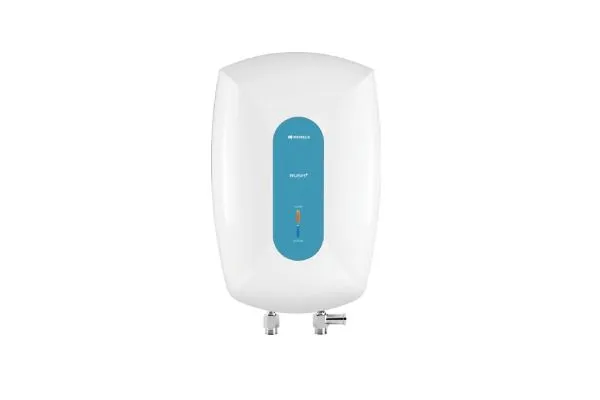
What Exactly is a Direct Vent Gas Water Heater?
A direct vent gas water heater is a tank-style heater that uses a sealed combustion system. It features a unique two-pipe vent system that runs directly through an exterior wall. One pipe draws in fresh, outside air for the gas burner, while the second, concentric pipe expels the exhaust gases safely outdoors.
Think of it like a snorkel. It gets all the air it needs from the outside and sends all the used air back outside, never interacting with the air inside your home. This makes it an incredibly safe option, as it eliminates the risk of depleting oxygen in the room or releasing harmful combustion byproducts like carbon monoxide into your house. This design is why it’s a top choice for installations in closets, small utility rooms, or any space where traditional venting isn’t practical or safe.
Direct Vent vs. Power Vent: What’s the Real Difference?
This is a question I get all the time, and it’s a crucial one. Both are “sealed” systems and safer than standard atmospheric vents, but they work differently. It’s a bit like choosing between a manual and an automatic car—both get you there, but the mechanism is distinct.
| Feature | Direct Vent Water Heater | Power Vent Water Heater |
|---|---|---|
| Venting Mechanism | Uses natural convection (hot air rises) | Uses an electric blower fan to force exhaust out |
| Electricity Needed | No, operates completely off-grid | Yes, requires a nearby electrical outlet |
| Noise Level | Virtually silent | A noticeable hum or whir when the fan runs |
| Venting Distance | Shorter, less flexible vent runs | Can handle longer, more complex vent runs (up, down, around corners) |
| Installation Cost | Generally lower | Can be slightly higher due to electrical needs |
| Best For | Homes where it can be placed near an exterior wall | Basements or locations far from an exterior wall |
Bottom line: If you can place your water heater near an outside wall and prefer a silent, no-electricity-needed setup, the best direct vent gas water heater is your champion. If your installation spot is deep inside the house, a power vent offers more flexibility.
Key Factors in Choosing the Best Direct Vent Gas Water Heater
Alright, you’re sold on the direct vent concept. Now, how do you pick the right one? It’s not just about grabbing the shiniest tank off the shelf. Here’s what you need to focus on to make a smart investment.
Tank Size and First-Hour Rating (FHR)
Don’t just look at the gallon capacity (e.g., 40-gallon, 50-gallon). The more important number is the First-Hour Rating (FHR). This tells you how many gallons of hot water the heater can produce in an hour of high demand (starting with a full tank).
- For 1-2 people: A 40-gallon tank with an FHR of 60-70 is usually plenty.
- For 3-4 people: Look for a 50-gallon tank with an FHR of 80 or higher.
- For 5+ people or homes with large tubs: You might need a 75-gallon model or consider a high-recovery model.
Think about your morning routine. If you have two showers, a dishwasher, and a load of laundry all running around the same time, you need a high FHR to keep up.
Energy Efficiency (UEF)
Energy efficiency is measured by the Uniform Energy Factor (UEF). The higher the UEF number, the more efficient the water heater is, and the less you’ll pay in gas bills over its lifetime. Most new direct vent models have a UEF between 0.60 and 0.65. While a higher UEF might mean a higher upfront cost, it often pays for itself in energy savings. Look for the blue Energy Star logo—it’s a clear sign of a high-efficiency unit.
Warranty and Build Quality
A water heater is a long-term appliance, so the warranty is a great indicator of the manufacturer’s confidence in its product.
- Standard warranties: Typically 6 years for the tank and parts.
- Better warranties: Look for 8, 10, or even 12-year warranties. These units often feature better components, like a more robust anode rod.
The anode rod is a critical part. It’s a “sacrificial” rod that corrodes instead of your tank. In my years as a technician, I’ve seen tanks fail prematurely simply because the anode rod was neglected. A unit with a better, thicker anode rod from the factory is a huge plus.
Bảng trống.What Does Basic Installation and Maintenance Involve?
While I always recommend a licensed professional for the installation of any gas appliance, understanding the basics helps you know what to expect and how to care for your unit.
Basic Installation Steps:
- Positioning: The unit must be placed near an exterior wall to accommodate the direct vent pipe.
- Venting: A hole is cut through the wall for the dual-pipe vent kit. It must be sealed properly to prevent leaks.
- Connections: The gas line, cold water inlet, and hot water outlet are connected. Shut-off valves are essential on all lines.
- Safety Checks: The plumber will check for gas leaks using a soap solution and ensure the burner ignites and operates correctly.
A Word of Caution from the Field: John Carter, a certified plumber with 20 years of experience, always says, “Never, ever underestimate a gas line. A small leak isn’t a small problem—it’s a major hazard. The cost of a professional installation is a tiny price to pay for your family’s safety.”
Essential Maintenance Checklist:
- Check the Anode Rod (Every 1-2 years): This is the single most important task to extend tank life. Replace it if it’s heavily corroded.
- Flush the Tank (Annually): Drain a few gallons from the bottom valve to clear out sediment. In areas with hard water, you may need to do this more often. Sediment buildup reduces efficiency and can damage the tank.
- Test the T&P Valve (Annually): The Temperature and Pressure relief valve is a critical safety feature. Lift the lever briefly to ensure water flows out, then let it snap shut.
Is It Time to Repair or Replace Your Water Heater?
Even the best direct vent gas water heater won’t last forever. Knowing the warning signs can save you from a catastrophic leak and a major cleanup job.
- Age: The average lifespan is 8-12 years. If yours is pushing past 10, start planning for a replacement.
- Rusty or Murky Water: This is a clear sign the inside of your tank is corroding.
- Rumbling or Banging Noises: This is usually caused by sediment buildup hardening at the bottom of the tank. It’s a major red flag.
- Leaks or Moisture: Any water pooling around the base of the heater means trouble. Don’t wait—call a pro immediately.
- Not Enough Hot Water: If you’re running out of hot water faster than you used to, it could be a failing heating element or excessive sediment.
Frequently Asked Questions (FAQ)
Q: How long does a direct vent gas water heater last?
A: With proper maintenance, a quality direct vent gas water heater typically lasts between 8 and 12 years. Regular anode rod checks and annual flushing are key to reaching and even exceeding this lifespan.
Q: Can I install a direct vent water heater myself?
A: While it’s technically possible, it is strongly discouraged unless you are a licensed professional. Installing a gas appliance involves gas lines and combustion venting, and mistakes can be extremely dangerous. Always hire a qualified plumber.
Q: Are direct vent water heaters noisy?
A: No, they are one of the quietest options available. Because they don’t use a fan or blower for venting (like a power vent model), their operation is virtually silent, aside from the faint sound of the gas burner when it’s active.
Q: Where is the best place to install a direct vent unit?
A: The ideal location is in a utility closet, basement, or garage that has a shared exterior wall. This allows for the shortest, simplest vent run directly to the outside, which is required for this type of heater.
Q: Do direct vent gas water heaters need electricity to work?
A: No, one of their biggest advantages is that they do not require electricity. The pilot light and gas control valve operate independently, making them a great option if you live in an area with frequent power outages.
The Final Word
Choosing the right water heater is about more than just hot water; it’s about safety, long-term savings, and peace of mind. A direct vent model offers a superb combination of all three. By focusing on the right size, a high UEF rating, and a solid warranty, you can select the best direct vent gas water heater that will serve your family reliably for years to come. Take a look at your current unit, consider your family’s needs, and make an informed choice. Your future self (stepping into a perfectly hot shower) will thank you.