Let’s be honest, the last thing on your mind is the health of your water heater… until you’re hit with an ice-cold shower or hear a strange rumbling from the basement. Often, the culprit is sediment buildup. This leads many homeowners to wonder, What Is A Self Cleaning Water Heater, and can it really save me from these headaches? As a technical consultant who’s seen it all, I’m here to break down the tech, separate fact from fiction, and help you decide if it’s the right upgrade for your home. This isn’t just about fancy marketing terms; it’s about efficiency, longevity, and peace of mind.
First, Let’s Talk About the Enemy: Sediment
Before we can appreciate the solution, we need to understand the problem. The water flowing into your home isn’t just pure H2O. It contains dissolved minerals like calcium and magnesium. When you heat water, these minerals precipitate out and settle at the bottom of the tank, forming a layer of gritty, rock-like sediment.
Why is this bad news?
- It kills efficiency: This layer of gunk acts as an insulator between the heating element (or burner) and the water. Your heater has to work much harder and longer to heat the water, sending your energy bills through the roof.
- It causes damage: For electric heaters, the sediment can trap heat around the lower heating element, causing it to burn out. For gas heaters, it can lead to overheating of the tank’s bottom, weakening the metal over time.
- It’s noisy: That popping, crackling, or rumbling sound you hear? That’s water getting trapped under the sediment layer, boiling, and bubbling up violently. It’s your water heater screaming for help.
So, What Exactly is a Self-Cleaning Water Heater?
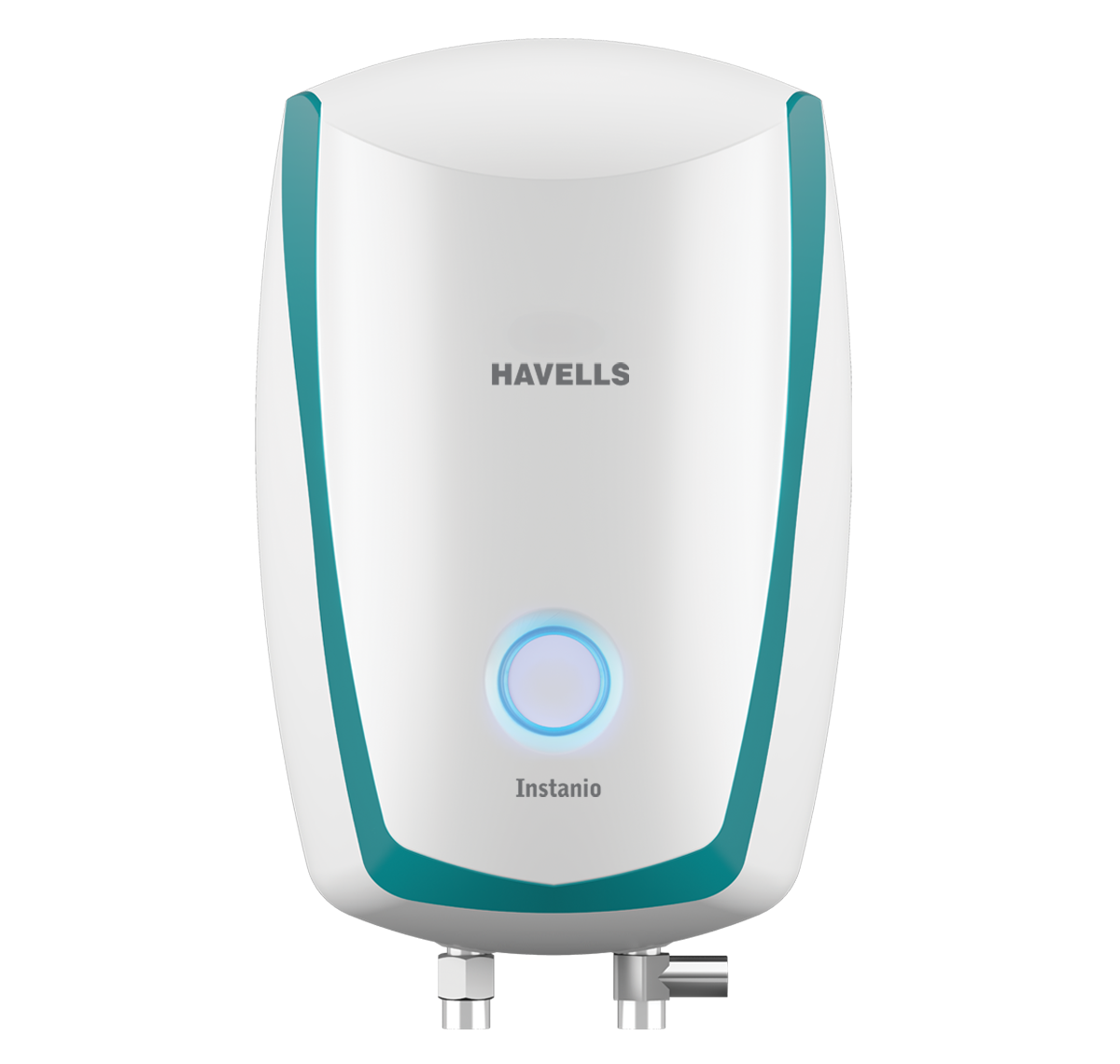
A self cleaning water heater is not a magical device that scrubs itself clean. Think of it less like a self-cleaning oven and more like a gentle, continuous whirlpool. Its primary job is to prevent sediment from settling and hardening at the bottom of the tank in the first place.
The technology isn’t overly complex, but it’s clever. It modifies how cold water enters the tank to create turbulence and keep mineral particles suspended in the water, so they can be flushed out during normal hot water use. It’s a proactive defense system against the slow, silent damage of sediment buildup.
How Does the Self-Cleaning Mechanism Actually Work?
The secret sauce is usually in the design of the dip tube. In a standard water heater, the dip tube is a simple pipe that directs incoming cold water to the bottom of the tank to be heated. In a self-cleaning model, this component gets a significant upgrade.
- The Vortex Dip Tube: Many self-cleaning systems use a specially designed dip tube with a curved or spiral end. As cold water is forced through it, it creates a swirling, vortex-like motion at the bottom of the tank. This constant stirring action prevents sediment from ever getting a chance to settle and bake onto the tank floor or lower heating element.
- Jet-Powered Stirring: Some designs feature small outlets or jets along the bottom of the dip tube. These jets shoot streams of water across the tank floor, actively agitating and lifting any sediment that might be trying to settle.
The end goal is the same: keep sediment suspended so it can exit the tank through the hot water outlet, rather than forming a destructive layer inside.
Self-Cleaning vs. Standard Water Heaters: A Head-to-Head Comparison
To really understand the value, let’s put them side-by-side.
| Feature | Standard Water Heater | Self-Cleaning Water Heater |
|---|---|---|
| Sediment Management | Passive. Sediment settles and hardens over time. | Active. Stirring action prevents sediment from settling. |
| Energy Efficiency | High at first, but decreases significantly as sediment builds. | Maintains higher efficiency over its lifespan. |
| Lifespan | Typically 8-12 years. Often shortened by sediment damage. | Can last 12-15+ years due to reduced internal stress. |
| Maintenance | Requires annual flushing to remove hardened sediment. | Still requires maintenance, but flushing is easier and less frequent. |
| Noise Level | Prone to popping and rumbling noises as it ages. | Significantly quieter operation throughout its life. |
| Upfront Cost | Lower initial purchase price. | Generally 10-20% more expensive than a comparable standard model. |
Are Self-Cleaning Water Heaters Really Worth the Hype?
This is the million-dollar question, isn’t it? The answer largely depends on one critical factor: your water quality.
“I’ve been a master plumber for over 20 years, and I can tell you that hard water is the number one killer of traditional tank water heaters. If your area has hard water, a self-cleaning feature isn’t a luxury; it’s a smart investment in protecting your appliance.” – James Peterson, Plumbing Expert
Who Benefits Most from a Self-Cleaning Water Heater?
You are the ideal candidate for this technology if:
- You live in an area with hard water. This is the single most important factor. If your water has a high mineral content, sediment buildup is not a matter of if, but when. A self-cleaning system will pay for itself in energy savings and extended lifespan.
- You want to maximize energy efficiency. By preventing the insulating layer of sediment, the heater operates at peak efficiency for much longer, saving you money on every utility bill.
- You value a longer appliance lifespan. Protecting the tank and heating elements from the constant stress of sediment buildup is the best way to extend the life of your water heater and delay a costly replacement.
When It Might Be Overkill
If you are fortunate enough to live in an area with naturally soft water (low mineral content), the benefits of a self-cleaning system are diminished. A standard water heater, with regular maintenance, will likely serve you just fine without the extra upfront cost.
Maintenance: You’re Not Completely Off the Hook
Here’s a crucial piece of advice I give to all homeowners: “self-cleaning” does not mean “zero-maintenance.” While these systems drastically reduce the rate of harmful sediment buildup, they don’t eliminate the need for occasional check-ups.
Think of it like a car with a high-quality air filter. The filter does a great job, but you still need to change the oil.
Your Basic Maintenance Checklist:
- Test the T&P Valve (Annually): The Temperature and Pressure Relief valve is a critical safety feature. Briefly pull the lever to ensure it releases water and snaps back into place.
- Check the Anode Rod (Every 2-3 Years): The anode rod is a “sacrificial” metal rod that corrodes to protect your tank’s steel lining from rust. It needs to be inspected and replaced when it’s mostly eaten away.
- Flush the Tank (Every 3-5 Years): Even with a self-cleaning system, a periodic flush is good practice. It will be a much quicker and easier process than with a standard tank because you’ll be removing suspended particles, not chipping away at a baked-on rock layer.
Frequently Asked Questions (FAQ)
Here are some common questions I hear from customers considering this technology.
1. Do self-cleaning water heaters really work?
Yes, they absolutely do. They are highly effective at preventing the hard, damaging layer of sediment from forming, which in turn boosts efficiency and extends the unit’s life, especially in hard water areas.
2. How often do I need to flush a self-cleaning water heater?
While a standard heater should be flushed annually, you can typically go 3 to 5 years between flushes with a self-cleaning model. The process will also be much more effective since the sediment hasn’t hardened.
3. Is there a way to make my current water heater self-cleaning?
Not really. The core self-cleaning mechanism is the specially designed dip tube, which is an integral part of the unit’s construction. While you can buy aftermarket curved dip tubes, they may not be as effective as a system designed from the ground up.
4. How much more does a self-cleaning water heater cost?
You can expect to pay about 10% to 20% more for a self-cleaning model compared to a standard water heater of the same size and energy rating. This premium is often recouped over time through lower energy bills and a longer appliance lifespan.
5. Do tankless water heaters have this problem?
Tankless water heaters don’t store water, so they don’t have the same sediment buildup problem inside a tank. However, they are still very susceptible to scale buildup on their heat exchangers, especially in hard water areas, and require regular descaling maintenance.
The Final Verdict
So, what is a self cleaning water heater? It’s a smarter, more resilient version of a traditional tank heater, engineered to fight back against the damaging effects of sediment. It’s not a gimmick; it’s a practical feature that delivers real-world benefits in efficiency, noise reduction, and longevity.
If you live in an area with hard water, the decision is a no-brainer. The modest increase in upfront cost is a wise investment that will pay dividends for years to come. For those with soft water, it’s less critical, but can still offer peace of mind and easier maintenance. By understanding how this technology works, you’re now equipped to make the best choice for your home, your wallet, and your future hot showers.