Carbon monoxide (CO) is often called the “silent killer” for a terrifying reason: it’s an invisible, odorless, and tasteless gas that can be deadly. Produced when fuels like natural gas, propane, wood, or oil burn incompletely, CO can emanate from various household appliances, especially heaters. Ensuring your heating systems are operating safely and free from CO leaks is paramount for the health and well-being of your family. This comprehensive guide will equip you with the knowledge and practical steps to identify, prevent, and respond to potential carbon monoxide leaks, transforming you into a vigilant guardian of your home’s air quality.
Understanding Carbon Monoxide and Your Heaters
Carbon monoxide is a byproduct of incomplete combustion. When fuel-burning appliances, such as furnaces, boilers, water heaters, fireplaces, or space heaters, don’t receive enough oxygen to burn fuel efficiently, they can produce and release CO into your home. This gas interferes with your blood’s ability to carry oxygen, rapidly leading to serious health issues or even death. Understanding how CO is produced and where it might originate is the first step in protecting your household.
The most common sources of carbon monoxide in a home include furnaces, water heaters, gas stoves, and fireplaces. Any appliance that uses a flame to generate heat has the potential to produce CO if it’s not properly installed, maintained, or vented. Older appliances, or those with damaged components, are particularly susceptible to developing CO leaks. This is why regular inspections and being aware of warning signs are crucial.
Recognizing the Signs of a Carbon Monoxide Leak
While carbon monoxide itself is undetectable by human senses, your heating system and your body often provide crucial warnings that a leak might be present. Learning to recognize these subtle (and sometimes not-so-subtle) indicators can literally save lives. Pay close attention to both the visual cues around your appliances and any unexplained physical symptoms you or your family might experience.
Visual Clues from Your Heating Appliance
|
Our Picks for the Best Water Heater in 2026
As an Amazon Associate I earn from qualifying purchases.
|
||
| Num | Product | Action |
|---|---|---|
| 1 | Zojirushi Micom Water Boiler and Warmer (135 oz. / 4L, Silver) |

|
| 2 | Amazon Basics Electric Stainless Steel Kettle for Tea and Coffee, BPA-Free, Fast Boiling, Auto Shut-Off, 1.7 Liter, 1500W, Black and Silver |
|
| 3 | Cosori Electric Kettle, No Plastic Contact With Water, Wide Mouth For Easy Cleaning, Auto Shut Off, 1.7L Tea Kettle & Hot Water Boiler, Water Heater & Teapot, Borosilicate Glass, Black, 1500W |
|
| 4 | OVENTE Electric Kettle, 1.7L Fast Boiling Water Heater for Coffee or Tea, BPA Free with Water Level Gauge, Auto Shut-Off, Boil-Dry Protection, Indicator Light and Removable Filter, White KP72W |
|
| 5 | Immersion Water Heater Electric, 2000W Portable Water Heater with 304 S S Guard & LCD Thermometer, Fast Heating Bucket Heater, Ideal for Small Bucket Bathtub, Small Pool, Home Camping Outdoor Use |
|
| 6 | Portable Water Heater 2000W, Pool Heater - Immersion Heater with Digital Thermometer, Upgraded Magnesium Oxide Heating for Fast Heating, for Small Pools, Bathtubs, Buckets, Tanks |
|
| 7 | Amazon Basics Electric Kettle with Glass Carafe for Tea and Coffee, BPA-Free, Fast Boiling, Auto Shut-Off, 1.7 Liter, 1500W, Black and Silver |
|
| 8 | Chefman Electric Kettle, 1.8L 1500W, Hot Water Boiler, Removable Lid for Easy Cleaning, Auto Shut Off, Boil-Dry Protection, Stainless Steel Filter, BPA Free, Borosilicate Glass Electric Tea Kettle |
|
| 9 | Portable Immersion Water Heater 1800W 120V, Electric Heater for Buckets, Bathtubs and Mini Pools, Submersible Design with Thermostat, Real Time Temperature Display and Dry Burn Protection |
|
| 10 | Amazon Basics Electric Kettle with Glass Carafe for Tea and Coffee, BPA-Free, Fast Boiling, Auto Shut-Off, 1 Liter, 1500W, Glass and Steel |
|
Your furnace or water heater, while unable to speak, often gives subtle hints when something is amiss. A healthy gas flame should appear steady and blue. If you notice a yellow, orange, or flickering flame instead of a consistent blue, it’s a strong indicator of incomplete combustion and potential CO production. Soot streaks or black and brown stains around the appliance cabinet, burner, or vent pipe are also critical warning signs. Rust or corrosion on the vent pipe or furnace housing can signal a ventilation problem that could allow CO to escape.
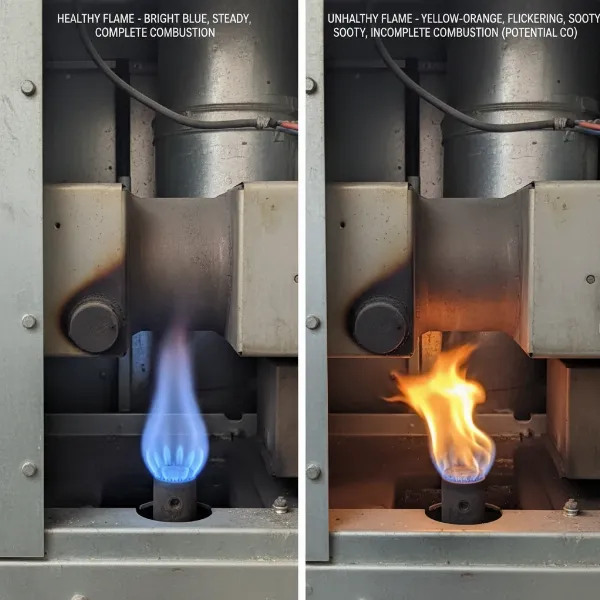 Close-up of gas furnace flame showing healthy blue and unhealthy yellow-orange colors.
Furthermore, look for excessive condensation on windows or cold surfaces, particularly near the furnace. This can indicate that exhaust gases are not being properly vented outside, potentially trapping CO within your living space. A persistent stuffy or stale odor in the air, or a burning smell, could also be a subtle hint of ventilation issues tied to CO. Recurring problems with the pilot light blowing out can also point to a malfunction that warrants immediate attention.
Physical Symptoms of Carbon Monoxide Poisoning
The symptoms of carbon monoxide poisoning can be insidious, often mimicking those of the flu, food poisoning, or general fatigue, making them easy to dismiss initially. However, paying attention to a cluster of these symptoms, especially if multiple family members experience them simultaneously, is critical. Early recognition can prevent severe illness or fatality.
Common symptoms include headaches, dizziness, weakness, nausea, and vomiting. You might also experience shortness of breath, confusion, or blurred vision. In more severe cases, drowsiness, loss of muscle control, or even loss of consciousness can occur. These symptoms affect the brain and heart most significantly, and prolonged exposure can lead to permanent damage or death. If you suspect CO poisoning, immediately move to fresh air and seek emergency medical attention.
Essential Steps to Check for Carbon Monoxide Leaks
Proactively checking for carbon monoxide leaks involves a combination of smart technology, diligent observation, and professional expertise. Relying solely on one method can leave gaps in your safety net. Implement a multi-layered approach to ensure your home remains safe from this silent threat.
Install and Maintain Carbon Monoxide Detectors
The most reliable way to detect carbon monoxide in your home is by installing CO detectors. These devices are designed to monitor the air and alert you with an alarm when CO levels become dangerous.
“CO alarms are your first line of defense against the invisible threat of carbon monoxide. Proper placement and regular checks are non-negotiable for home safety.” – John Smith, Certified HVAC Technician
- Placement: Install at least one CO detector on every level of your home, especially near sleeping areas and on any level with fuel-burning appliances. For optimal placement, consider installing them between 5 and 20 feet from potential CO sources like your furnace, water heater, or fireplace. Avoid placing detectors directly above or within 15 feet of heating or cooking appliances to prevent false alarms.
- Testing: Test your detectors monthly to ensure they are functioning correctly. Most units have a test button for this purpose.
- Battery Replacement: Replace batteries regularly, typically twice a year. Many detectors will emit a chirping sound to indicate low battery.
- Replacement Schedule: CO detectors have a lifespan of 5-7 years. Mark the installation date and replace them according to the manufacturer’s recommendations.
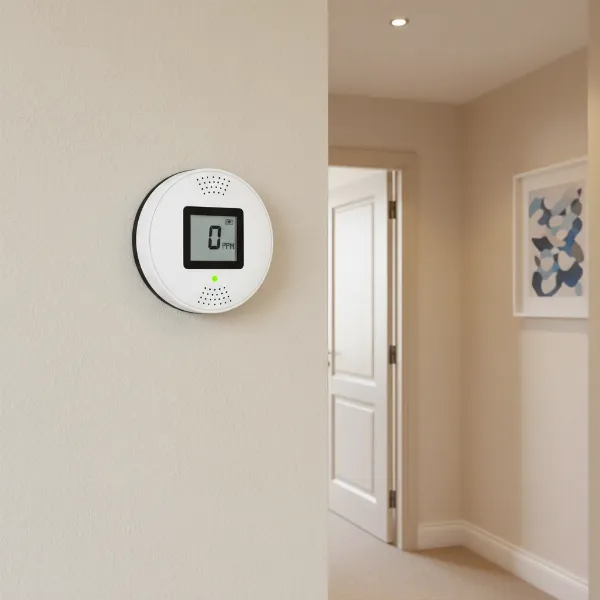 Modern carbon monoxide detector mounted on a wall in a home living space.
Visual Inspection of Appliances
Regularly perform a visual check of your heating appliances for any of the signs mentioned earlier.
- Flame Color: Observe the flame in your gas furnace or water heater. It should be blue and steady, not yellow, orange, or flickering.
- Soot and Stains: Look for any black, brown, or yellow stains around the appliance vents or on nearby walls.
- Vents and Exhaust Pipes: Check for rust, corrosion, cracks, or disconnected pipes in the flue and exhaust systems. Ensure they are clear of obstructions like bird nests or debris.
- Condensation: Monitor for excessive moisture or condensation on windows and other surfaces, especially near heating units.
Professional Carbon Monoxide Furnace Check
While DIY checks are important, they don’t replace the thoroughness of a professional inspection. An experienced HVAC technician uses specialized tools to measure CO levels in your furnace’s exhaust and can detect leaks before they become a threat. They can also inspect the heat exchanger for cracks, which are a common cause of CO leaks from furnaces. Schedule annual professional inspections for all fuel-burning appliances.
Prevention and Maintenance for CO Safety
Preventing carbon monoxide leaks is far better than detecting them after they’ve started. Regular maintenance, smart usage habits, and proper ventilation are your strongest allies in maintaining a CO-free home.
Schedule Annual Professional Maintenance
The most crucial preventative measure is to have your heating systems, including furnaces, water heaters, and fireplaces, inspected and serviced annually by a qualified professional. A technician will clean, tune, and test your equipment to ensure it’s operating safely and efficiently, identifying and repairing any potential issues before they escalate. They can also ensure that all vents and flues are clear and properly connected.
Ensure Proper Ventilation
Adequate ventilation is key to preventing CO buildup.
- Keep Vents Clear: Ensure that all vents, flues, and chimneys are free from obstructions. Blockages can trap CO inside your home.
- Never Block Air Intakes: Make sure your furnace or other fuel-burning appliances have adequate access to fresh air for proper combustion.
- Use Exhaust Fans: When using gas stoves or ovens, always turn on the range hood exhaust fan to vent combustion byproducts outdoors.
- Avoid Unvented Heaters Indoors: Never use unvented gas or kerosene heaters inside your home, especially in enclosed spaces, as they release CO directly into the air.
Safe Operation Practices
- Generators Outdoors Only: Always operate portable generators outdoors in a well-ventilated area, far away from windows and doors.
- Never Idle Cars in Garage: Do not idle your car in an attached garage, even with the garage door open.
- Correct Installation: Ensure all new fuel-burning appliances are installed correctly according to manufacturer instructions and local codes. Incorrect installation is a common cause of CO leaks.
Conclusion
Protecting your home from the dangers of carbon monoxide is an ongoing responsibility that requires awareness, vigilance, and proactive measures. By understanding the sources of CO, recognizing the warning signs, implementing robust detection systems, and committing to regular maintenance, you empower yourself to create a truly safe living environment. Never underestimate the threat of this silent killer. What steps will you take today to secure your home against carbon monoxide?
Frequently Asked Questions
What should I do if my carbon monoxide detector goes off?
If your CO detector alarms, immediately move everyone, including pets, to fresh air outdoors. Call 911 or your local emergency services from a safe location and do not re-enter your home until emergency responders have confirmed it is safe.
Can a dirty furnace filter cause carbon monoxide to leak?
Yes, a dirty furnace filter can restrict airflow, causing your furnace to burn fuel inefficiently and potentially lead to incomplete combustion and carbon monoxide production. Regularly replacing your furnace filter is a simple yet crucial maintenance step.
How often should I have my heating system professionally inspected for CO leaks?
It is highly recommended to have all fuel-burning heating systems, including furnaces, boilers, and water heaters, inspected by a qualified HVAC professional at least once a year. This ensures proper functioning and early detection of potential leaks.
Where is the best place to install a carbon monoxide detector in a bedroom?
In bedrooms, CO detectors should ideally be placed on the wall, a few feet down from the ceiling, or on the ceiling itself, ensuring it’s not obstructed by furniture or curtains. It should be close enough to be heard by anyone sleeping.
What is a “healthy” flame color for a gas furnace or water heater?
A healthy flame on a gas furnace or Water Heater burner should be a steady, bright blue. A yellow, orange, or flickering flame indicates incomplete combustion, which is a major sign that carbon monoxide may be present.
Can carbon monoxide leaks come from a fireplace?
Yes, fireplaces, especially those with blocked or improperly venting chimneys, can be a significant source of carbon monoxide. Ensure your chimney is cleaned and inspected annually, and never close the flue entirely when a fire is burning.
Is it safe to use a charcoal grill inside if the windows are open?
No, never use a charcoal grill indoors, even with open windows or doors. Charcoal produces very high levels of carbon monoxide, and it can quickly build up to dangerous concentrations in enclosed spaces, leading to severe poisoning or death.