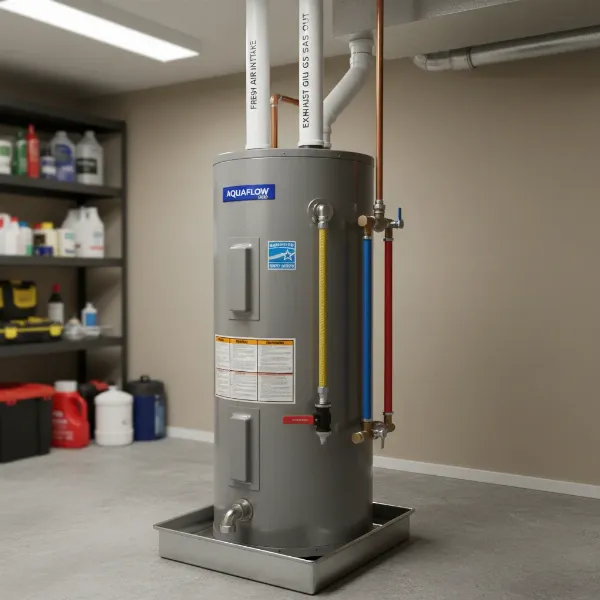
Are your energy bills steadily climbing, making you dread the arrival of each month’s utility statement? Many homeowners face the challenge of rising costs, and often, the silent energy guzzler lurking in the basement or garage is the water heater. Traditional electric water heaters, while affordable upfront, can be expensive to run, accounting for nearly 20% of the average home’s energy use. This is where hybrid heat pump water heaters enter the conversation, promising significant energy savings and a greener footprint. But with a higher initial price tag, a crucial question emerges: are hybrid heat pump water heaters truly worth the money? This comprehensive guide will help you understand how these innovative systems work, their benefits, drawbacks, and whether they are the smart choice for your home.
What is a Hybrid Heat Pump Water Heater?
A hybrid heat pump water heater, often referred to simply as a heat pump water heater, combines the technology of a traditional storage tank water heater with an energy-efficient heat pump. Unlike conventional electric models that generate heat directly using electric resistance coils, a hybrid unit primarily operates by moving heat. It extracts latent heat from the surrounding air—much like a refrigerator cools its interior by releasing heat into the kitchen—and transfers this warmth to the water in its storage tank.
Most hybrid models also include traditional electric resistance heating elements. These elements act as a backup, kicking in during periods of high hot water demand or when ambient air temperatures are too low for the heat pump to operate efficiently. This dual-action approach ensures a consistent supply of hot water while maximizing energy savings under normal conditions.
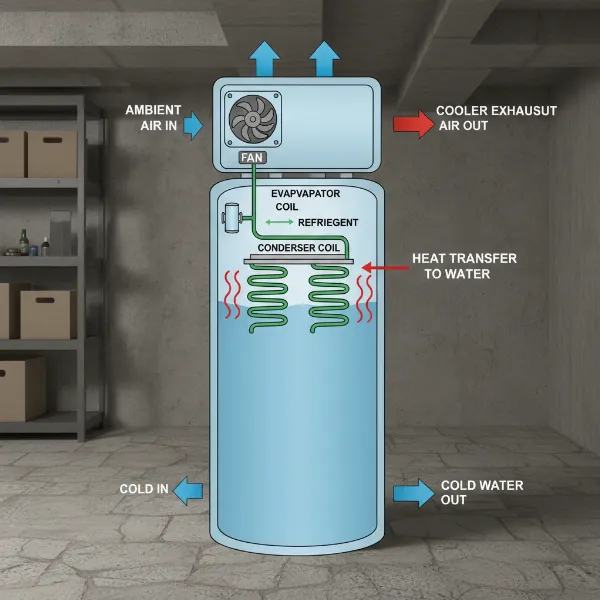 Diagram illustrating how a hybrid heat pump water heater extracts heat from the air to warm water.
The Unmatched Efficiency: How Hybrid Water Heaters Save You Money
One of the most compelling arguments for investing in a hybrid heat pump water heater is its remarkable energy efficiency. These units are designed to drastically reduce your home’s hot water heating costs.
Significant Energy Consumption Reduction
|
Our Picks for the Best Water Heater in 2026
As an Amazon Associate I earn from qualifying purchases.
|
||
| Num | Product | Action |
|---|---|---|
| 1 | Amazon Basics Electric Kettle with Glass Carafe for Tea and Coffee, BPA-Free, Fast Boiling, Auto Shut-Off, 1.7 Liter, 1500W, Black and Silver |

|
| 2 | Portable Immersion Water Heater 1800W 120V, Electric Heater for Buckets, Bathtubs and Mini Pools, Submersible Design with Thermostat, Real Time Temperature Display and Dry Burn Protection |
|
| 3 | Amazon Basics Electric Kettle with Glass Carafe for Tea and Coffee, BPA-Free, Fast Boiling, Auto Shut-Off, 1 Liter, 1500W, Glass and Steel |
|
| 4 | Portable Water Heater 2000W, Pool Heater - Immersion Heater with Digital Thermometer, Upgraded Magnesium Oxide Heating for Fast Heating, for Small Pools, Bathtubs, Buckets, Tanks |
|
| 5 | Zojirushi Micom Water Boiler and Warmer (135 oz. / 4L, Silver) |
|
| 6 | Cosori Electric Kettle, No Plastic Contact With Water, Wide Mouth For Easy Cleaning, Auto Shut Off, 1.7L Tea Kettle & Hot Water Boiler, Water Heater & Teapot, Borosilicate Glass, Black, 1500W |
|
| 7 | OVENTE Electric Kettle, 1.7L Fast Boiling Water Heater for Coffee or Tea, BPA Free with Water Level Gauge, Auto Shut-Off, Boil-Dry Protection, Indicator Light and Removable Filter, White KP72W |
|
| 8 | Amazon Basics Electric Stainless Steel Kettle for Tea and Coffee, BPA-Free, Fast Boiling, Auto Shut-Off, 1.7 Liter, 1500W, Black and Silver |
|
| 9 | Chefman Electric Kettle, 1.8L 1500W, Hot Water Boiler, Removable Lid for Easy Cleaning, Auto Shut Off, Boil-Dry Protection, Stainless Steel Filter, BPA Free, Borosilicate Glass Electric Tea Kettle |
|
| 10 | Immersion Water Heater Electric, 2000W Portable Water Heater with 304 S S Guard & LCD Thermometer, Fast Heating Bucket Heater, Ideal for Small Bucket Bathtub, Small Pool, Home Camping Outdoor Use |
|
Hybrid heat pump water heaters are typically 2-3 times more efficient than standard electric resistance water heaters, using up to 60-70% less electricity. This efficiency stems from the fact that they transfer existing heat rather than creating it from scratch. For instance, a conventional tank water heater might have a Uniform Energy Factor (UEF) of around 0.93, while hybrid models boast UEFs between 3.0 and 4.0.
Substantial Annual and Long-Term Savings
The energy savings translate directly into lower utility bills. A family of four, for example, can expect to save approximately $330 to $550 per year on electric bills compared to a standard electric water heater. Over the lifespan of the unit, these savings add up quickly, potentially reaching $4,700 to $6,000 over ten years.
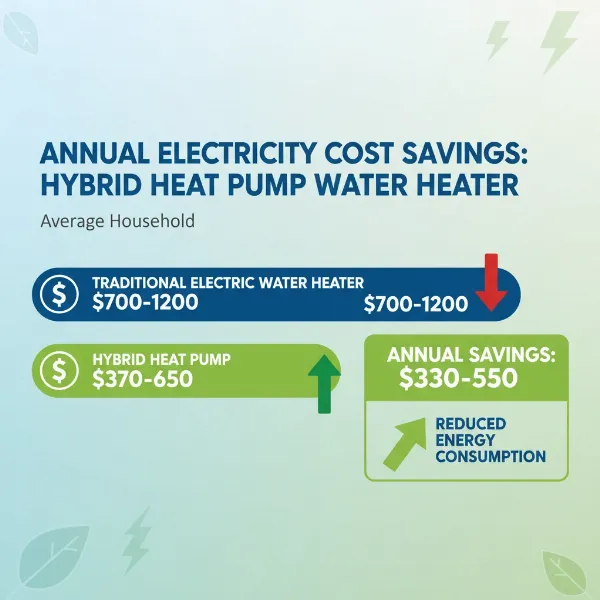 Bar chart comparing annual energy costs for hybrid and traditional electric water heaters.
Quick Payback Period
While the initial purchase and installation costs are higher, the payback period for a hybrid heat pump water heater is surprisingly short, often ranging from 2 to 7 years. This rapid return on investment makes them a financially sound choice for many homeowners, especially when considering federal tax credits and local utility rebates.
Understanding the Investment: Upfront Costs & Incentives
The primary hurdle for many considering a hybrid heat pump water heater is the higher upfront cost. However, various incentives can significantly offset this initial investment.
Higher Purchase and Installation Costs
The unit price for residential hybrid heat pump water heaters typically ranges from $1,500 to $3,000, which is often double the cost of a comparable conventional electric tank unit ($500-$1,000). Installation costs can also be higher, generally falling between $2,500 and $5,000.
Additional expenses might include:
- Electrical Upgrades: Hybrid heat pump water heaters often require a dedicated 240V circuit, which may necessitate electrical work if your home’s existing infrastructure isn’t compatible.
- Space Modifications: These units need ample surrounding air for efficient operation. If your ideal location is too small, modifications might be needed.
- Permits: Depending on your locality, permits may be required for installation.
Leveraging Rebates and Tax Credits
Despite the higher initial outlay, various incentives can make hybrid water heaters more accessible and cost-effective. Federal tax credits, such as the $2,000 credit available for qualifying energy-efficient home upgrades, can significantly reduce the net cost. Many local utility companies also offer rebates for installing high-efficiency appliances like hybrid water heaters. These programs can substantially narrow the cost difference between a hybrid and a standard electric model, making the long-term savings even more attractive.
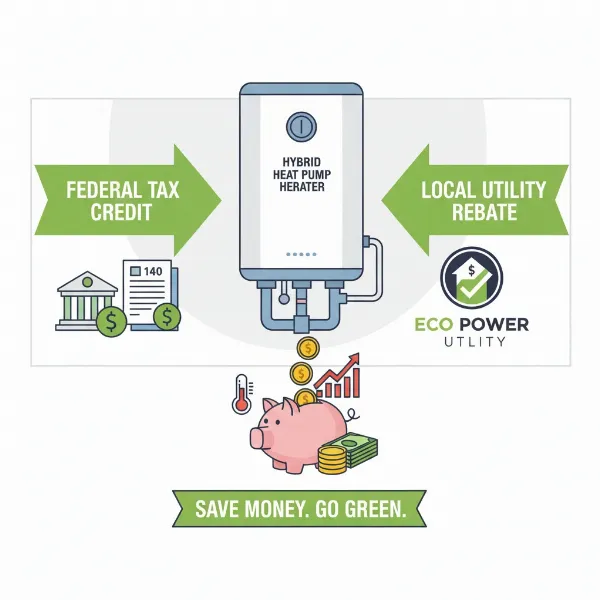 Illustration of government incentives and rebates for installing energy-efficient water heaters.
Key Considerations Before Buying: Is a Hybrid Right for Your Home?
While highly efficient, hybrid heat pump water heaters are not a one-size-fits-all solution. Several factors determine their suitability for your home.
Space Requirements
Hybrid units require adequate air volume around them to function optimally because they draw heat from the ambient air. Typically, they need about 700 to 1,000 cubic feet of unconditioned air space. This makes them ideal for installation in basements, garages, utility rooms, or other unheated areas. They are generally not a good fit for small utility closets or cramped conditioned spaces, as they would cool the air in those rooms, reducing their own efficiency and potentially increasing your heating costs for the living space.
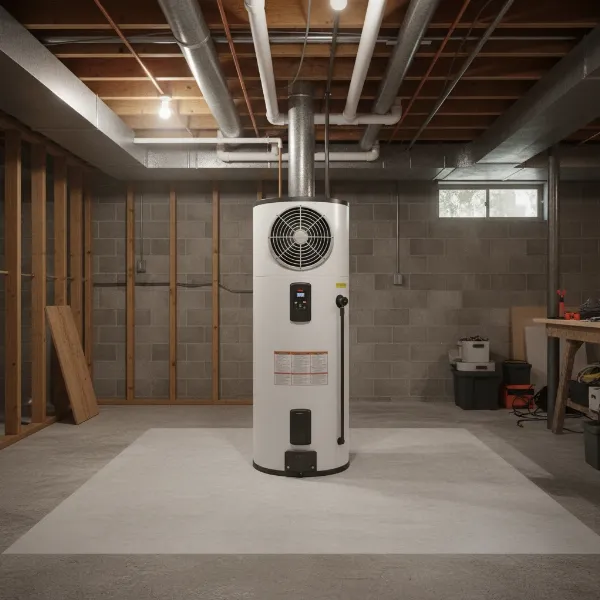 A hybrid heat pump water heater installed in a spacious basement or garage environment.
Climate Compatibility
Hybrid heat pump water heaters perform best when the surrounding air temperature is consistently between 40°F and 90°F. In colder climates, if the ambient temperature drops significantly below 40°F, the heat pump may struggle, forcing the unit to rely more heavily on its less efficient electric resistance heating elements. This can reduce overall efficiency and diminish the energy savings. Therefore, homeowners in regions with harsh, freezing winters might experience less significant savings unless the unit is installed in a consistently warm, unconditioned space.
Noise Level
The fan and compressor within the heat pump component can produce some operational noise, similar to a refrigerator or a dehumidifier. While typically not excessively loud, it’s a factor to consider if the unit is installed near living areas where quiet is preferred. If installed in a basement or garage, the noise is usually not an issue.
Maintenance Needs
Hybrid water heaters may require slightly more maintenance than traditional electric models, primarily involving regular cleaning or replacement of air filters to ensure optimal airflow and efficiency. Checking and replacing the anode rod periodically is also crucial for longevity.
Recovery Rate
In pure heat pump mode, the recovery time (how quickly the tank reheats after hot water is used) can be slower than a standard electric water heater. However, hybrid models are equipped with electric resistance heating elements that can activate to provide faster recovery during periods of high demand, ensuring you don’t run out of hot water. Proper sizing of the tank is crucial to avoid frequently relying on the less efficient electric backup.
Comparing Water Heater Types: Hybrid vs. Traditional Electric
To help you decide, here’s a quick comparison:
| Feature | Hybrid Heat Pump Water Heater | Traditional Electric Water Heater |
|---|---|---|
| Upfront Cost | Higher | Lower |
| Operating Cost | Much Lower (60-70% less energy) | Higher |
| Energy Efficiency | Excellent (UEF 3.0-4.0) | Good (UEF ~0.93) |
| Lifespan | 13-15 years | 8-12 years |
| Space Required | Large (700-1000 cu. ft.) | Standard |
| Climate Suitability | Best in mild-warm climates (40-90°F) | Any climate |
| Noise Level | Moderate | Quiet |
| Maintenance | Filter cleaning, anode rod | Anode rod |
Choosing the Right Hybrid Water Heater
If a hybrid heat pump water heater seems like a good fit for your home, here are some points to consider when making your selection:
Sizing and Capacity
Determining the appropriate tank size is crucial to ensure you have enough hot water for your household’s needs without over-relying on the electric backup. Factors include the number of occupants, daily hot water usage patterns, and the number of hot water fixtures. Common capacities range from 50 to 80 gallons or more. A professional plumbing technician can help you assess your hot water demand and recommend the ideal size.
Advanced Features
Many modern hybrid heat pump water heaters come equipped with smart features that enhance convenience and efficiency. These can include Wi-Fi connectivity for remote monitoring and control via a smartphone app, leak detection technology, and various operating modes (e.g., “Vacation Mode” to save energy while away, “High Demand Mode” for quicker recovery). Brands like A.O. Smith and Rheem offer a range of such innovative features.
Trusted Brands
When investing in a major appliance, choosing a reputable manufacturer is key for reliability and support. Brands like Ariston, Ferroli, Panasonic, Kangaroo, A.O. Smith, and Rheem are well-regarded in the water heating industry for their quality and performance. Researching specific models and reading reviews can help you make an informed decision.
Maximizing Your Hybrid Water Heater’s Performance & Longevity
To ensure you get the most out of your hybrid heat pump water heater, proper installation and ongoing care are essential.
Professional Installation is Key
Even the most efficient unit can underperform if not installed correctly. Professional installation ensures the unit is placed in an optimal location with adequate airflow, correctly wired, and properly integrated with your home’s plumbing system. This prevents common issues and ensures maximum efficiency and safety from day one.
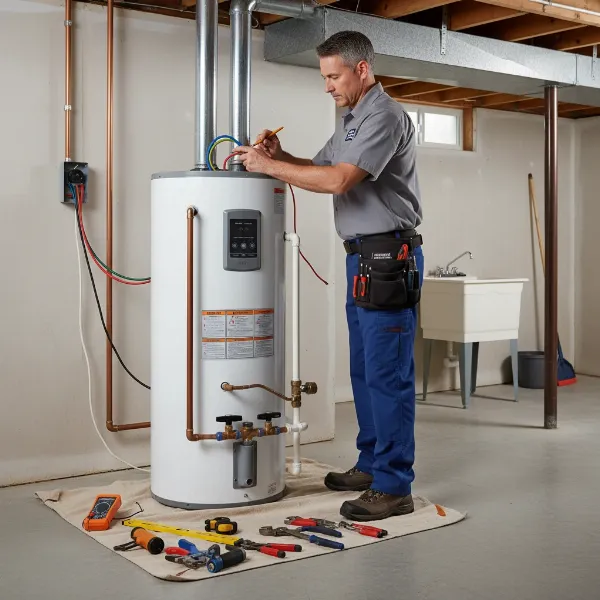 A professional plumber installing a hybrid heat pump water heater in a residential setting.
Regular Maintenance is Essential
Scheduled maintenance, including cleaning the air filter and checking the anode rod, is vital for the long-term health and efficiency of your hybrid water heater. Regular maintenance helps prevent sediment buildup, reduces wear and tear, and keeps the heat pump operating at peak performance.
Optimal Temperature Settings
Setting the water temperature appropriately (typically 120°F for most households) can help balance comfort and energy savings. Avoiding excessively high temperatures reduces energy consumption and the risk of scalding.
“Hybrid heat pump water heaters represent a significant leap in home energy efficiency. While the initial cost can be a barrier, the long-term savings, reduced environmental impact, and available incentives make them a compelling option for many modern homes.” – John Smith, Master Plumber with 15 years experience.
Conclusion
Hybrid heat pump water heaters offer an impressive blend of cutting-edge technology, substantial energy savings, and environmental benefits. While they demand a higher upfront investment and have specific installation requirements regarding space and climate, the potential for annual savings of hundreds of dollars and a relatively short payback period make them a worthwhile consideration for many homeowners. When weighing the benefits against the drawbacks, it becomes clear that for the right household and conditions, a hybrid heat pump water heater is indeed a smart investment that pays dividends in both your wallet and for the planet.
Are you ready to explore how a hybrid heat pump water heater could transform your home’s energy consumption and hot water reliability? Consulting with a qualified plumbing professional can help you determine the best solution for your unique needs.
Frequently Asked Questions
How long do hybrid water heaters typically last?
Hybrid heat pump water heaters generally have a longer lifespan than traditional electric models, often lasting between 13 to 15 years, compared to 8 to 12 years for conventional units. This extended longevity contributes to their long-term value.
Do hybrid water heaters require special electrical upgrades?
Many hybrid heat pump water heaters require a dedicated 240V circuit for optimal operation. If your home’s existing electrical system cannot support this, an electrical upgrade may be necessary during installation.
Are hybrid water heaters noisy during operation?
Hybrid water heaters produce some operational noise from their fan and compressor, similar to a refrigerator or dehumidifier. This noise level is generally moderate and often goes unnoticed if the unit is installed in an unconditioned space like a basement or garage.
Can a hybrid water heater run out of hot water?
Like any storage tank Water Heater, a hybrid unit can theoretically run out of hot water if demand exceeds its capacity. However, hybrid models are equipped with electric resistance backup elements that engage during high demand, providing additional heating to ensure a continuous supply. Proper sizing helps prevent this issue.