Ever been the last one in the shower, only to be met with a sudden, shocking blast of cold water? It’s a classic household problem. For years, we’ve relied on traditional tank heaters or embraced the on-demand promise of tankless models. But there’s a powerful, often overlooked player in the game that deserves a serious look. So, let’s talk about What Is An Indirect Water Heater and why it might just be the unsung hero of home hot water systems. It’s a clever piece of engineering that leverages a heat source you already own to give you abundant, efficiently-produced hot water.
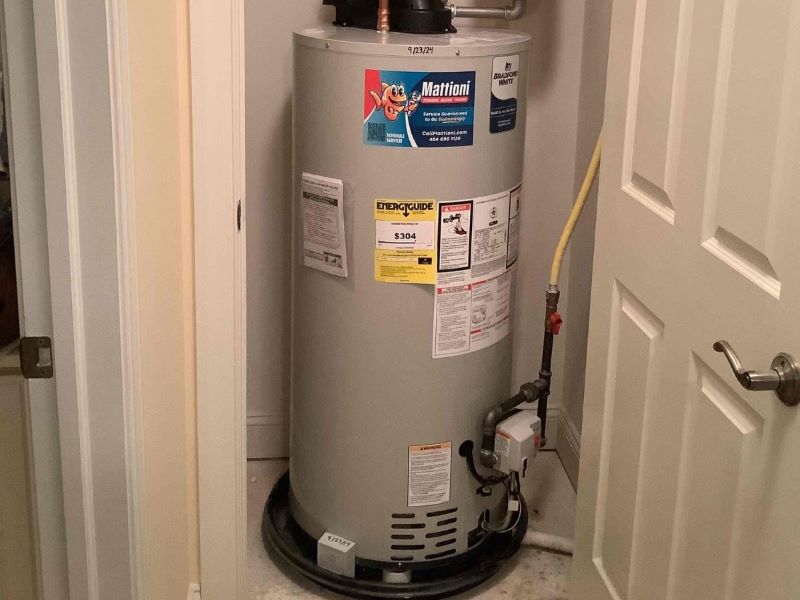
First, A Quick Look at Common Water Heaters
Before we dive into the specifics of an indirect system, it helps to understand the other main characters on the stage. You likely have one of these in your home right now.
- Conventional Storage Tank Water Heaters: These are the big, cylindrical tanks most of us are familiar with. They heat a reservoir of water using gas burners or electric elements and keep it hot 24/7, ready for you to use. Simple, effective, but they can suffer from standby heat loss, meaning they waste energy keeping water hot even when you’re not using it.
- Tankless (On-Demand) Water Heaters: These units heat water instantly as it flows through them. They are incredibly energy-efficient because they don’t store hot water. The downside? They can have a limited flow rate, meaning they might struggle to supply hot water to a shower and a dishwasher at the same time.
Here’s a quick comparison to set the scene:
| Feature | Conventional Tank Heater | Tankless Water Heater | Indirect Water Heater |
|---|---|---|---|
| How it Heats | Direct heating via gas/electric | Heats water on-demand | Uses an external heat source (boiler) |
| Energy Efficiency | Lower (standby heat loss) | Very High (no standby loss) | Very High (leverages efficient boiler) |
| Upfront Cost | Low | High | Medium to High (if you have a boiler) |
| Hot Water Supply | Limited by tank size | Unlimited (but flow-rate limited) | High volume, fast recovery |
| Lifespan | 10-15 years | 20+ years | 20+ years |
So, What is an Indirect Water Heater and How Does It Work?
Alright, let’s get to the main event. An indirect water heater is essentially a well-insulated storage tank with a special trick up its sleeve: it doesn’t create its own heat. Instead, it cleverly borrows heat from your home’s space heating system, typically a high-efficiency boiler or furnace.
Think of it like this: your boiler is the powerful engine of your home’s heating. An indirect water heater is like a smart accessory that taps into that engine’s power to do a second job.
Here’s the play-by-play of how it works:
- The Boiler Fires Up: Your home’s boiler (or furnace) heats up water or a special fluid to circulate through your radiators or underfloor heating system. This is its primary job.
- The Heat Exchanger Coil: Inside the indirect water heater’s tank, there’s a coiled pipe called a heat exchanger. The hot fluid from the boiler is diverted to flow through this coil.
- The Magic of Heat Transfer: As the super-hot fluid snakes through the coil, it transfers its thermal energy to the surrounding domestic water stored in the tank, heating it up quickly and efficiently. The domestic water never mixes with the boiler fluid; it’s a closed-loop system.
- Ready for Use: Once the water in the tank reaches the desired temperature, a sensor tells the boiler to stop sending hot fluid to the coil. The tank, being heavily insulated, keeps the water hot for a very long time, ready for your shower, laundry, or dishes.
Because it uses your main boiler, which is generally much more powerful and efficient than the small burner in a standard water heater, it can heat a large volume of water incredibly fast. This is what we call a high “recovery rate.”
Why You Might Want One: The Key Benefits
- Energy Efficiency: This is the big one. By using your main boiler, you’re relying on a single, highly efficient heat source instead of two separate ones. This consolidation eliminates the standby heat loss common in traditional tank heaters, leading to significant energy savings.
- Abundant Hot Water: Thanks to that high recovery rate I mentioned, these units are fantastic for families with high hot water demands. You can run the dishwasher and take a long shower without worrying about running out.
- Durability and Lifespan: An indirect water heater is a relatively simple device. There are no complex burners or heating elements inside the tank itself. It’s basically a well-insulated tank with a coil. This simplicity means fewer points of failure and a much longer lifespan, often exceeding 20 years.
What to Consider Before Buying an Indirect Water Heater
It sounds great, but is it the right choice for everyone? Not necessarily. Here are the crucial factors to weigh before making a decision.
Do You Have a Boiler?
This is the most important question. An indirect water heater is entirely dependent on a boiler or furnace. If you use a different system for your home’s heating (like electric baseboards or a heat pump without a hydronic coil), this option is off the table. It’s designed to work as part of a hydronic (water-based) heating system.
Upfront Cost vs. Long-Term Savings
The initial purchase and installation cost can be higher than a conventional gas or electric tank heater. However, the long-term energy savings and extended lifespan often make it a more economical choice over the life of the unit. You need to do the math for your specific situation.
As John Carter, a certified plumber with 20 years of experience, often tells his clients, “Don’t just look at the price tag. Look at the total cost of ownership over 15 or 20 years. An indirect heater is an investment in efficiency that pays you back every month on your energy bill.”
Sizing is Crucial
Just like any water heater, getting the right size is critical. You need to consider:
- First Hour Rating (FHR): This tells you how many gallons of hot water the unit can produce in one hour of peak usage.
- Tank Volume: The size of the tank, typically ranging from 30 to over 100 gallons.
- Boiler Capacity: Your boiler must be powerful enough to handle both your home’s heating needs and your domestic hot water demand simultaneously, especially on a cold winter morning.
Basic Installation and Maintenance Guide
While I always recommend professional installation for safety and warranty reasons, it’s good to know what’s involved.
Installation
- Placement: The unit needs to be installed relatively close to the boiler to minimize heat loss in the connecting pipes.
- Plumbing: A licensed plumber will connect the boiler’s supply and return lines to the heat exchanger coil in the tank. They’ll also connect your home’s cold water inlet and hot water outlet.
- Controls: An aquastat (a water thermostat) is installed to monitor the tank’s temperature and signal the boiler when to send heat.
Maintenance
The beauty of an indirect system is its low maintenance, but it’s not “set it and forget it.”
- Annual Boiler Service: Your boiler is the heart of the system, so its annual check-up by an HVAC professional is non-negotiable.
- Check the T&P Valve: The Temperature and Pressure (T&P) relief valve is a critical safety device. Test it annually to ensure it’s working correctly.
- Flush the Tank (Periodically): Depending on your water quality (especially if you have hard water), you may need to drain and flush the tank every few years to remove sediment buildup, which can reduce efficiency.
Safety Warning: Always follow the manufacturer’s instructions for testing safety devices. The water released from a T&P valve can be scalding hot.
Signs You Might Need a Repair or Replacement
Even these durable units can have issues. Watch out for these red flags:
- No Hot Water (or Lukewarm Water): This could be an issue with the boiler, the circulator pump that moves fluid to the tank, or the aquastat control.
- Leaks: Any sign of water around the tank or its fittings needs immediate attention.
- Strange Noises: Banging or gurgling could indicate air in the system or sediment buildup.
- A Spike in Your Energy Bill: If your bills suddenly jump without a change in usage, it could mean the system has lost efficiency somewhere.
Frequently Asked Questions (FAQ)
Q: Is an indirect water heater more efficient than a tankless one?
A: It’s a close call and depends on the situation. Both are highly efficient. A tankless heater has zero standby loss, but an indirect water heater leverages an already-running, high-efficiency boiler, which can be more efficient overall, especially in colder climates where the boiler is running frequently anyway.
Q: How long does an indirect water heater last?
A: With proper maintenance, they are one of the longest-lasting options on the market. It’s not uncommon for them to last 20 years or more, sometimes even outlasting the boiler they are paired with.
Q: Can I use an indirect water heater in the summer when my heat is off?
A: Absolutely. Your boiler will have a “summer” or “hot water only” setting. In this mode, it will only fire up when the indirect tank calls for heat and will otherwise remain off, ensuring you have hot water year-round without heating your house.
Q: What is the main disadvantage of an indirect water heater?
A: The primary disadvantage is its dependency on a boiler. If you don’t have a hydronic heating system, it’s not a viable option. Additionally, if your boiler breaks down, you lose both your home’s heat and your hot water.
Q: How much does an indirect water heater cost?
A: The unit itself can range from $800 to over $2,000, plus installation costs. The total can vary widely depending on the size, brand, and complexity of the installation.
The Final Verdict
So, what is an indirect water heater? It’s a smart, robust, and highly efficient solution for homeowners who already have a boiler-based heating system. It offers a fantastic combination of high performance, low operating costs, and incredible longevity. While the upfront investment might be higher, it’s a workhorse that provides an abundance of hot water while saving you money in the long run. If you’re tired of running out of hot water and want a system built to last, it’s an option you should absolutely discuss with your plumbing and heating professional.